Gwangju
Korea’s city of democracy, of contemporary art, and of coffee in old houses
Gwangju is two cities that turn out to be one. In May 1980 its people rose against military rule and were crushed, and the square where they held out is now one of the most moving places in modern Korea. Out of that history the city made itself a home for art: Asia’s first contemporary art biennial, a national culture centre built on the ground of the uprising, and side streets of galleries, studios and cafés. It is about two hours from Seoul by KTX. Two nights give you a day for the history and a day for the art; a third adds the mountain, or the bamboo forest at Damyang.
How this page was madeWe have not yet been to South Korea, and this guide is researched rather than remembered. It draws on the city’s tourism site, the Korea Tourism Organization, Gwangju News, The Korea Times, the venues’ own pages and the sources named at the end, checked on 13 October 2026. Where sources disagree, we say so. When we go, we will say so here.
Last updated 13 October 2026
A little background
For most of the last century Gwangju was the capital of South Jeolla, the rice country of the south-west, and the provincial government sat in a row of offices at the top of its main street. That street is why the city matters to Korea.
On 18 May 1980, students protesting against the military government’s extension of martial law were attacked by paratroopers. The city rose. Citizens armed themselves, drove the troops out, and ran Gwangju from the Provincial Office for several days, until the army retook it in the early hours of 27 May. By the usual official count about 165 civilians were killed, dozens went missing and thousands were wounded, and many believe the true toll was higher. For years the government called it a riot. It is now remembered as the May 18 Democratic Uprising, a founding event of Korean democracy, and its archives were inscribed on UNESCO’s Memory of the World register in 2011.
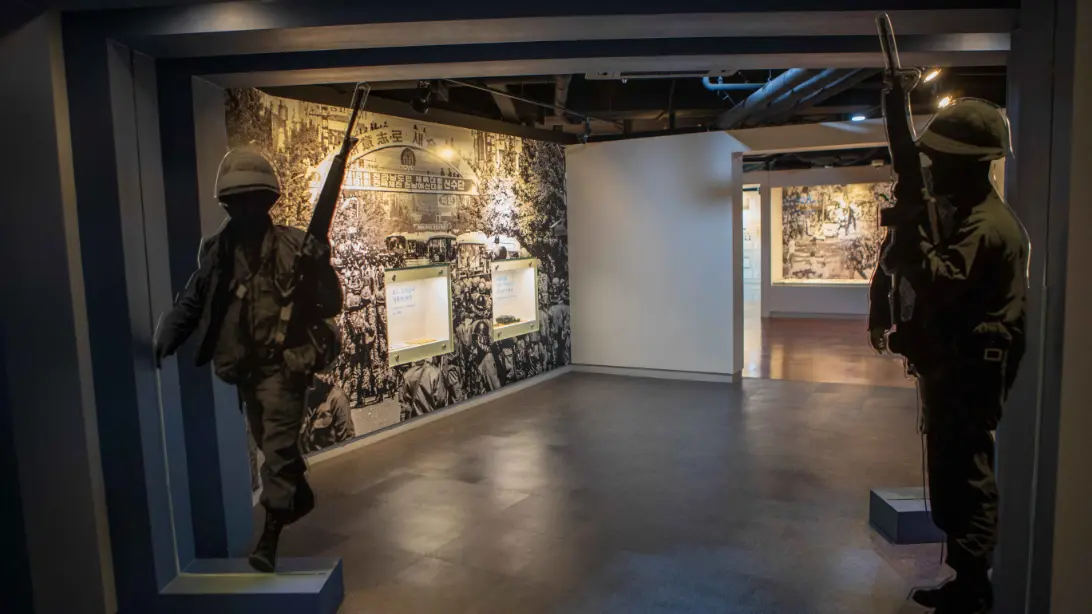
Han Kang, who won the Nobel Prize in Literature in 2024, was born in Gwangju in 1970. Her novel Human Acts, in Deborah Smith’s English translation, follows a schoolboy and the people around him through those days and the years after. It is the book to read before you come.
One change to know about: on 1 July 2026 Gwangju and South Jeolla Province merged into a single new metropolitan city, whose English name has not yet settled. Stations, signs and most maps still say Gwangju, and so do we.
How the city fits together
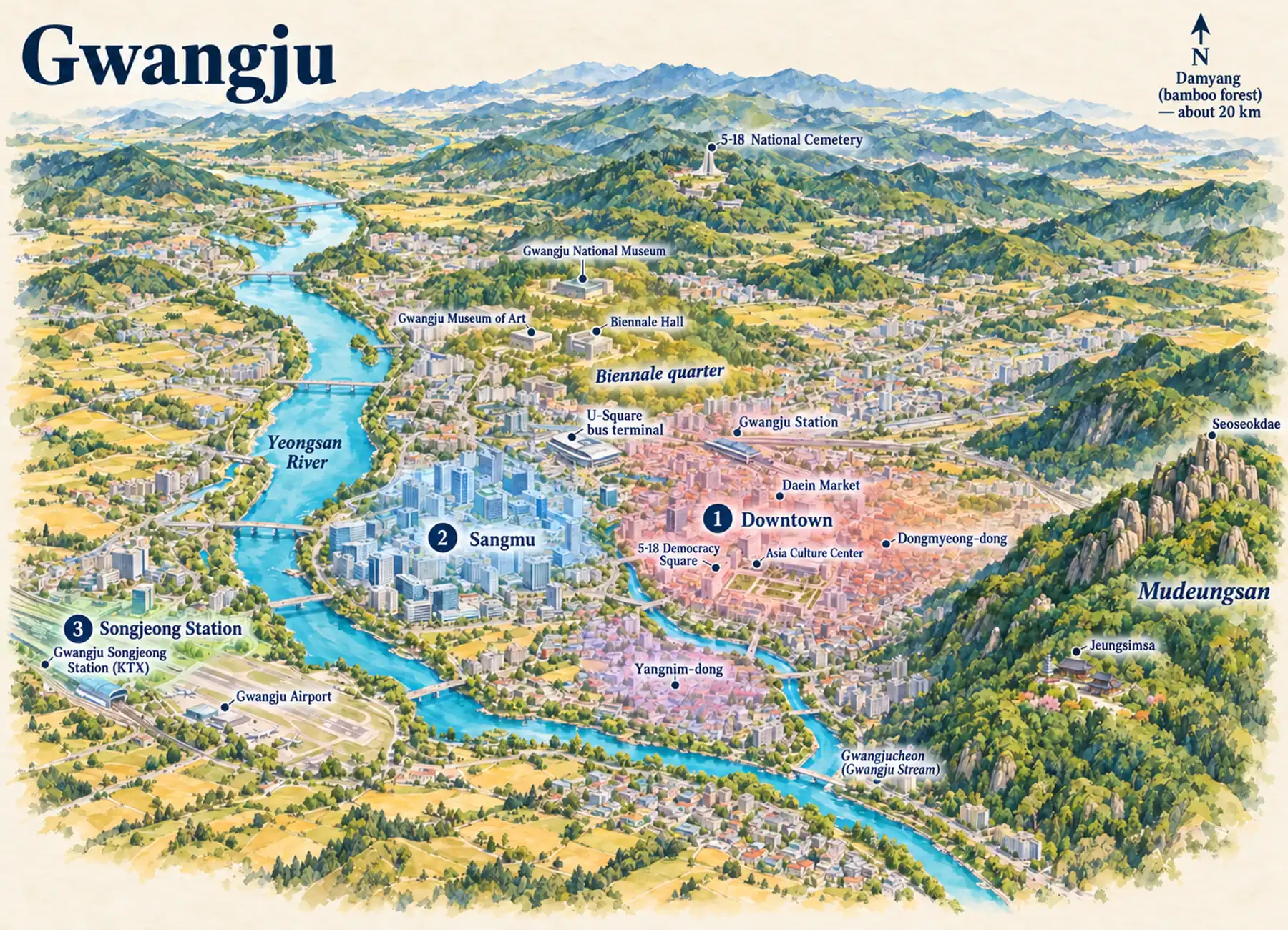
Gwangju is a city of about 1.4 million people, spread across a basin with Mudeungsan rising on its eastern side. Most of what a visitor comes for lies within a walk of the old downtown, where the Asia Culture Center fills the block behind Democracy Square: Dongmyeong-dong’s cafés just to the east, Art Street and Daein Market to the north, and Yangnim-dong across the Gwangju stream to the south-west. From there the city runs west for twelve kilometres along its single metro line, through the newer district of Sangmu, to Gwangju Songjeong, where the fast trains stop. The Biennale and the museums sit in a park to the north-west, the 5·18 Cemetery about ten kilometres north, and the mountain to the east.
Downtown
history and the artsThe heart of the uprising and of the city now: Democracy Square, the restored Provincial Office, the Asia Culture Center and the covered shopping streets of Chungjang-ro, with Art Street and Daein Market a few minutes north. It is where we would stay; see where to stay in Gwangju.
Dongmyeong-dong
cafés and studiosA quiet grid of older houses just east of the Asia Culture Center, now filled with cafés, restaurants, craft workshops and design and architecture studios. The city has invested heavily in it as a culture village, and its café street is nicknamed Dongnidan-gil. Our where to eat guide covers its cafés.
Yangnim-dong
missionaries and art spacesAcross the Gwangju stream, on the slope where American missionaries built their houses and churches a century ago. Today its lanes hold Penguin Village’s junk-art alleys and a cluster of galleries and artist-run spaces.
Sangmu
modern hotelsThe newer business district west of the centre, with the city’s larger modern hotels, office towers and a dense grid of restaurants. It is practical rather than characterful, and nine stops from downtown on the metro; our where to stay guide covers it.
Songjeong Station
fast trains and tteokgalbiWhere the KTX and SRT from Seoul arrive, at the western edge of the city beside Gwangju Airport. Its one draw is food: the street of tteokgalbi houses by the market, grilled patties of minced rib that the city counts among its specialities. Our where to eat guide has more.
Places you don’t want to miss
Two threads run through Gwangju, and the best days follow both: the places where May 1980 is remembered, and the places where the city now makes and shows its art. If you have one day, take the history first: the square, the archives and the Provincial Office are a few minutes apart, and the art quarters are a short walk beyond them.
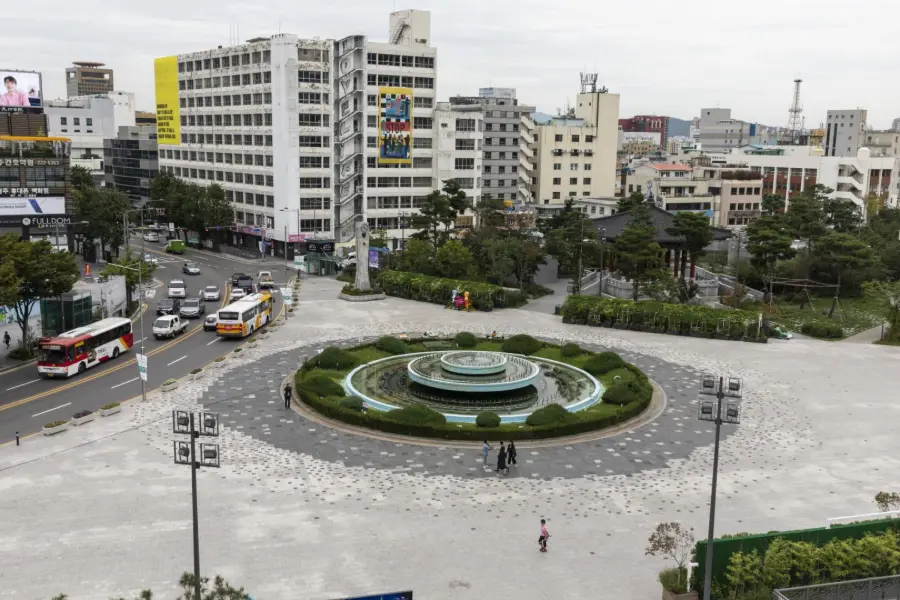
5·18 Democracy Square and the old Provincial Office
Where the uprising was fought and ended. The restored provincial offices opened as a memorial site on 18 May 2026: six buildings, the rooms where the citizens’ leaders met, exhibitions and oral histories, and bullet marks still in the Jeonil Building’s walls. Closed on Mondays.
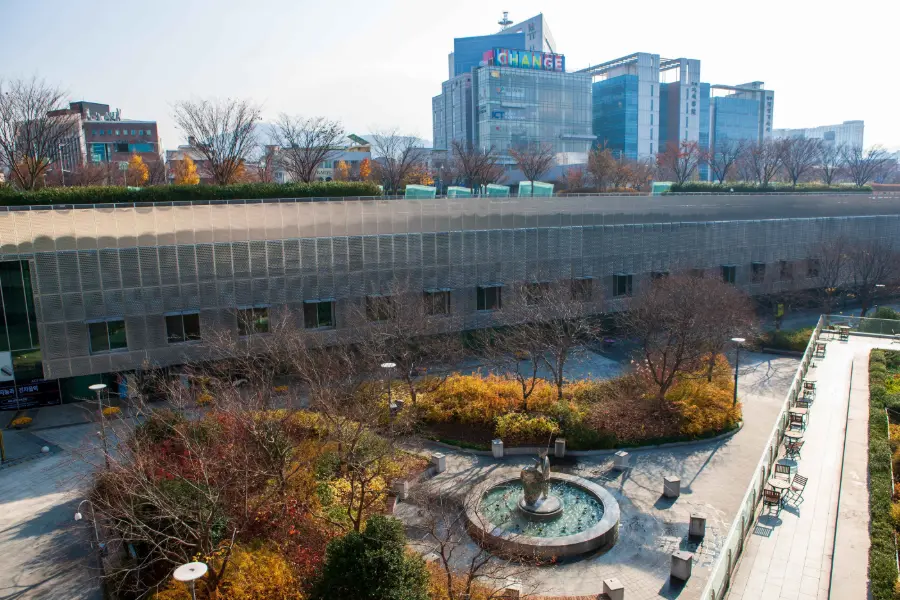
The Asia Culture Center
A national arts centre opened in 2015 on the ground the uprising held, much of it sunk below gardens so as not to tower over the square. Exhibitions, theatre, a children’s centre and a library of Asian culture. Closed on Mondays.
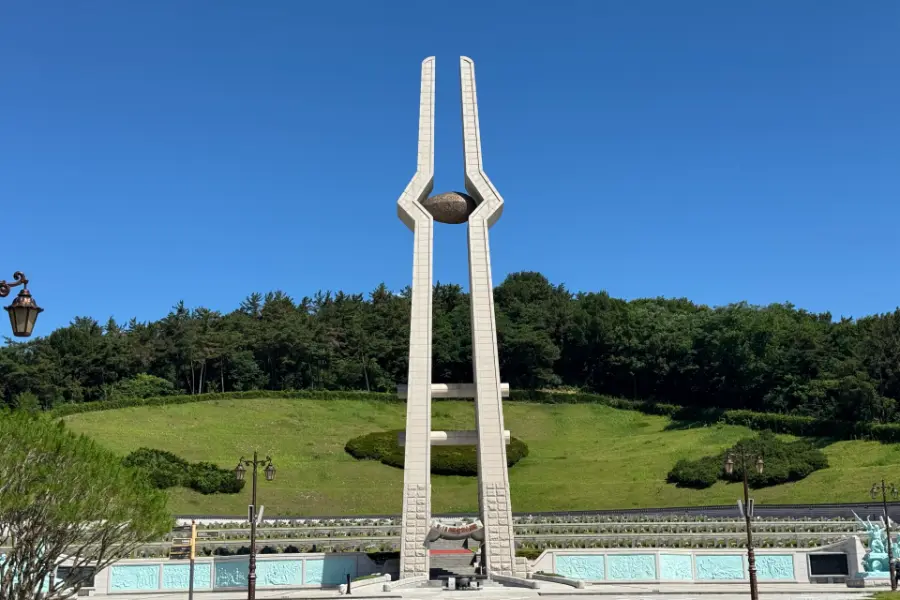
The 5·18 National Cemetery
The graves of the dead of May 1980 lie in rows below a memorial tower, with a museum beside them; the first burial ground, at Mangwol-dong, is a short walk away. About 10 km north of downtown.
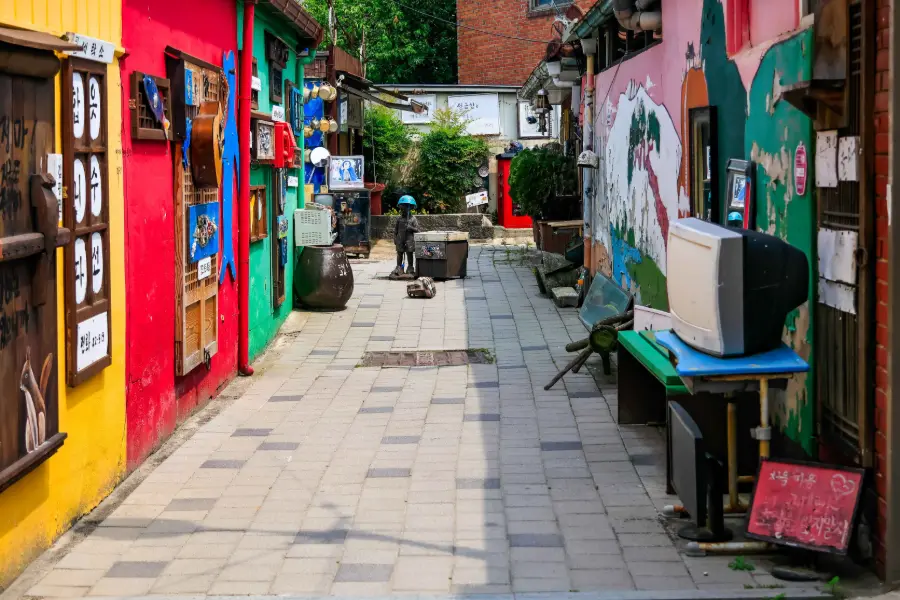
Yangnim-dong
The slope where Gwangju’s missionaries lived, now its most absorbing walk: century-old Western houses and churches, the junk-art alleys of Penguin Village, and small galleries and artist-run spaces such as Horanggasy Art Polygon and the Lee Kang-ha Art Museum.
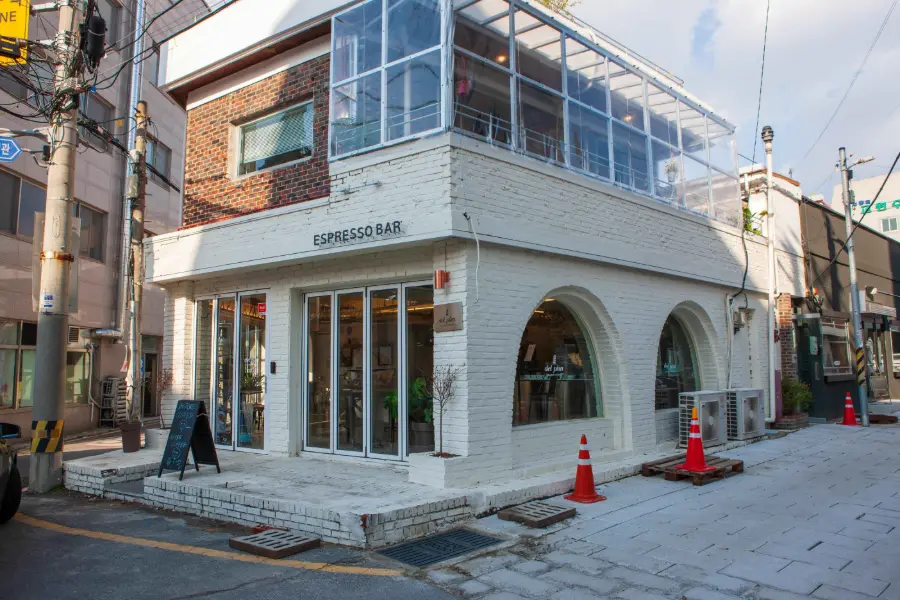
Dongmyeong-dong and Art Street
Two of the city’s creative streets, a few minutes apart. Dongmyeong-dong is cafés, workshops and design studios in old houses; Art Street, which the city’s tourism site says was created to be like Seoul’s Insa-dong, is galleries, art suppliers, framers, antique dealers, old bookshops and tea rooms.
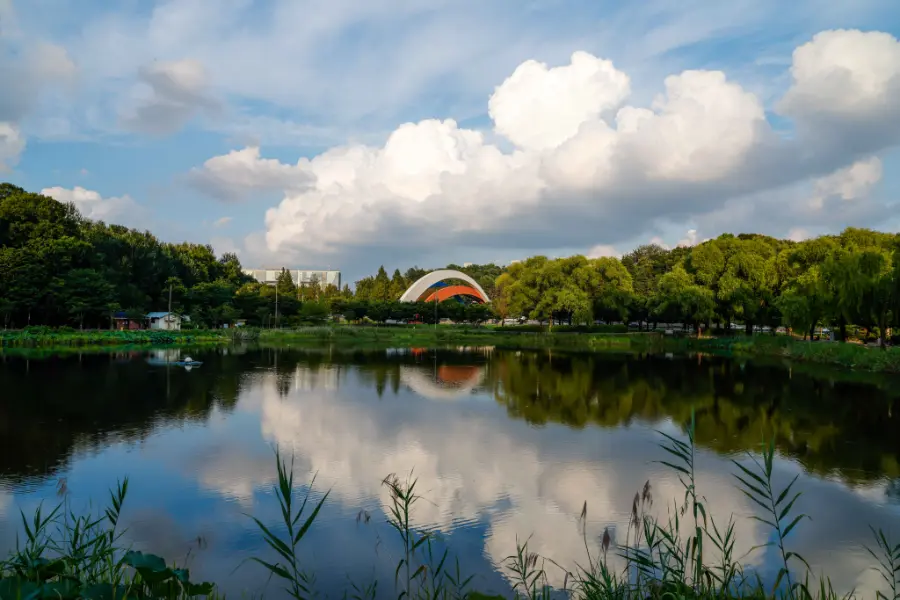
The Biennale and the Museum of Art
The Gwangju Biennale, begun in 1995, was Asia’s first contemporary art biennial; its sixteenth edition runs until 15 November 2026. Between editions its hall in Jungoe Park may close, but the city’s Museum of Art beside it, free and strong on Gwangju’s own artists, stays open, and the National Museum is next door.
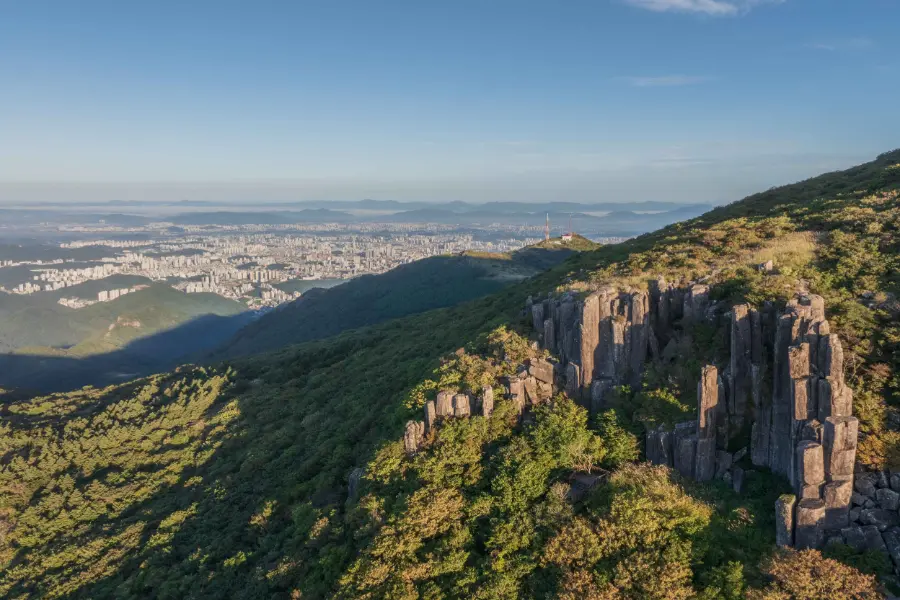
Mudeungsan
A national park since 2013, its summit at 1,187 metres. Its stone pillars, Seoseokdae and Ipseokdae, are the usual goal: the summit itself is a military area, open to walkers only on a few days a year. From Jeungsimsa temple, a taxi ride from downtown, the climb takes a long half-day.
None of the seven places above has a guide of its own on our site yet, so the cards carry no links. We will link each one as we write it.
Stand on Democracy Square with your back to the old Provincial Office and the fountain in front of you. This is where the crowds gathered in May 1980, and where the city still gathers to remember. Listen to the water and to the traffic on Geumnam-ro, and notice how ordinary the sound is. Then go into the Jeonil Building and find the marks in its walls. Stand close enough to see that each one is a hole, not a stain. Notice how far the city has come since, and how near the marks still are.
Getting there and around
By train, the KTX from Yongsan and the SRT from Suseo, both in Seoul, run to Gwangju Songjeong, on the western edge of the city.
| To or from | How | What to expect |
|---|---|---|
| Seoul | KTX from Yongsan, SRT from Suseo | About 1¾ to 2 hours to Gwangju Songjeong; around 28 KTX a day |
| Jeonju | Intercity bus | About 1½ hours |
| Mokpo | KTX from Gwangju Songjeong | About 30 minutes |
| Jeju | Flight from Gwangju Airport | Daily domestic flights |
Planning estimates checked on 13 October 2026, from timetable listings and the operators; times vary by train, so check Korail before you travel.
From the station, Metro Line 1 runs from Gwangju Songjeong to Culture Complex station, beside the Asia Culture Center: thirteen stops through Sangmu. It is the city’s only line, and Line 2 is not now expected before the end of 2028. A taxi downtown is quicker if you have bags.
By air, Gwangju Airport, beside Songjeong Station, has domestic flights, including to Jeju. Muan International, the region’s airport for flights abroad, has been closed since the crash of December 2024, and in August 2026 it still had no date to reopen. Check before you plan around it.
In town, walk the downtown quarters and take buses or taxis further out. The 1187 bus runs to Mudeungsan’s northern entrance at Wonhyosa, by Gwangju News’s account. For the other routes, and for getting a travel card, see getting around South Korea.
When to go and practical notes
Spring and autumn are the seasons to come. April and May are mild, and autumn brings colour to the mountain. Summer is hot and humid, with the monsoon from late June into July, and winter is cold, though milder than Seoul’s. Around 18 May each year the city commemorates the uprising, and the memorial sites are at their most moving and their busiest. The Biennale runs from September into November in even-numbered years, and the Gwangju Kimchi Festival comes in late October; in 2026 it runs from 23 to 25 October.
Gwangju’s best indoor sights make a full day of art and history, but most close on Mondays: the old Provincial Office, the Asia Culture Center, the Museum of Art and the Biennale hall. Keep Monday for the 5·18 Cemetery, which its listing shows open daily, or for Mudeungsan.
The memorial sites are places of mourning as well as history: speak quietly, and ask before photographing people paying their respects. For more on what to do and avoid, see our guide to Korean etiquette.
Where to stay and eat
Stay downtown, near the Asia Culture Center, and almost everything you came for is on foot. Choose Sangmu for a larger modern hotel, with the metro into town, and the area round Songjeong Station only for an early or late train. Our guide to where to stay in Gwangju compares the three, with our own sample of prices.
Eat the food of the south-west, often said to be the most generous in Korea: grilled tteokgalbi at Songjeong, duck soup, barley rice at the foot of Mudeungsan, and the market food of Daein. Our guide to where to eat in Gwangju takes it area by area, cafés included.
Nearby: Damyang and its bamboo
The county of Damyang, about 20 km north, is the classic day out from Gwangju. Its draw is bamboo. Juknokwon is a hillside bamboo garden laced with paths, where the stems close overhead and visitors often remark on how cool the air feels. Nearby, a long avenue of metasequoia trees makes a well-known walk, and Soswaewon, a scholar’s garden of the sixteenth century, sits among bamboo south of the town.
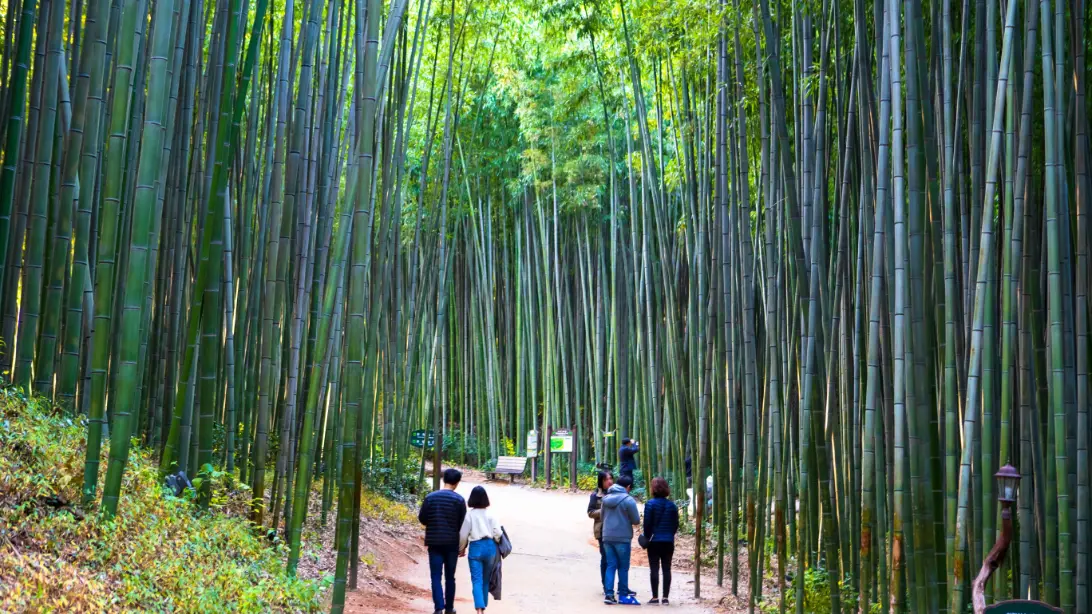
Juknokwon is open every day and charges a small entry fee. One 2025 guide gives its hours as 9am to 7pm from March to October and to 6pm in winter, but its current listing shows 6pm closing, so arrive by mid-afternoon. The city bus 311 runs from Gwangju to Damyang about every fifteen minutes; intercity buses from the U-Square terminal are quicker. Allow a half day for the bamboo garden alone, and a full day with the road and Soswaewon, which are easiest by taxi between them.
A final word on Gwangju
Come to Gwangju for what happened here, and stay for what the city has made of it. Give a morning to the square, an afternoon to the studios and cafés, and a day to the mountain or the bamboo. Read Han Kang before you come, and you will walk its streets differently.
Andrew + Margaret
- Visiting South Korea Overview
- Where to stay in Gwangju Decide
- Where to eat in Gwangju Decide
- Jeonju Overview
- South Korea itineraries Journeys
- South Korea in Two Weeks Journeys
- Getting around South Korea Practical
- Best time to visit South Korea Practical
- Gwangju Tourism, the city’s tourism site Official
- Asia Culture Center Official
- Gwangju Biennale Official
- Korail: KTX timetables and tickets Booking
- Han Kang, Human Acts (2014; English, Deborah Smith) Reading
Is this the same Gwangju as the one near Seoul?
No. There is a smaller city called Gwangju in Gyeonggi Province, south-east of Seoul, written with different characters in Chinese script. This page is about the Gwangju of the south-west. When you book a train or a bus, check that the ticket says Gwangju Songjeong or the U-Square terminal.
Can I see Gwangju as a day trip from Seoul?
You can reach Democracy Square and the Asia Culture Center in a long day, at about two hours each way on the KTX. But the cemetery, the art quarters and the mountain each want time, and the city is best taken slowly. Stay at least one night.