Sydney
A harbour city, seen from the suburbs outward
Most guides to Sydney start at the Opera House and stop at the beaches. We have always started in Carlingford, a suburb in the north-west where our family lives, and travelled in by train. We have been coming here since 1986, most recently in February 2026. From out there you see the city the way Sydneysiders do. The harbour is the centrepiece of a very large city, and the trains and the new Metro are what make it work.
What is first-hand here, and what is not. The suburbs, the trains, the Manly ferry, the Fish Market, the Blue Mountains and the Central Coast are places we know. We have never stayed in a Sydney hotel, so Where to stay is researched, and so are the inner-city areas we pass through rather than live in. Anything that changes, like transport and opening dates, comes from Transport for NSW and the other official sources we name.
Last updated 23 September 2026
A little background
The harbour's southern shore is Gadigal country, one of the clans of the Eora nation, and Aboriginal people have lived around it for tens of thousands of years. In January 1788 the First Fleet landed at Sydney Cove, now Circular Quay, and founded a penal colony there. The Rocks, beside the Quay, is what remains of its earliest streets.
The colony grew into Australia's largest city. It kept its centre on the water and spread west along the Parramatta River, where the second settlement, at Parramatta, was founded the same year. That is why Sydney has two centres, and why a ferry still runs between them.
What has changed since we first came, in 1986? Less than you might expect. The harbour, the light and the beaches are as they were. Two things are different. Public transport is much better than it was. And Sydney is far more diverse, which you can taste in suburbs like Eastwood and Burwood.
How Sydney fits together
The harbour divides the city and the ferries join it. The CBD and Circular Quay sit on the south shore, with the Harbour Bridge crossing to the North Shore. East of the centre, the inner suburbs run out to the ocean beaches at Bondi and Coogee. Manly, reached by ferry, faces the ocean at the harbour's mouth.
West is where most Sydneysiders live. The Parramatta River runs more than 20 kilometres inland to Parramatta, the city's second centre, past Sydney Olympic Park. The north-west suburbs, where we stay, lie beyond it. The trains and the Metro tie all of this together. The seven panels below use the same area names as the rest of our Sydney coverage.
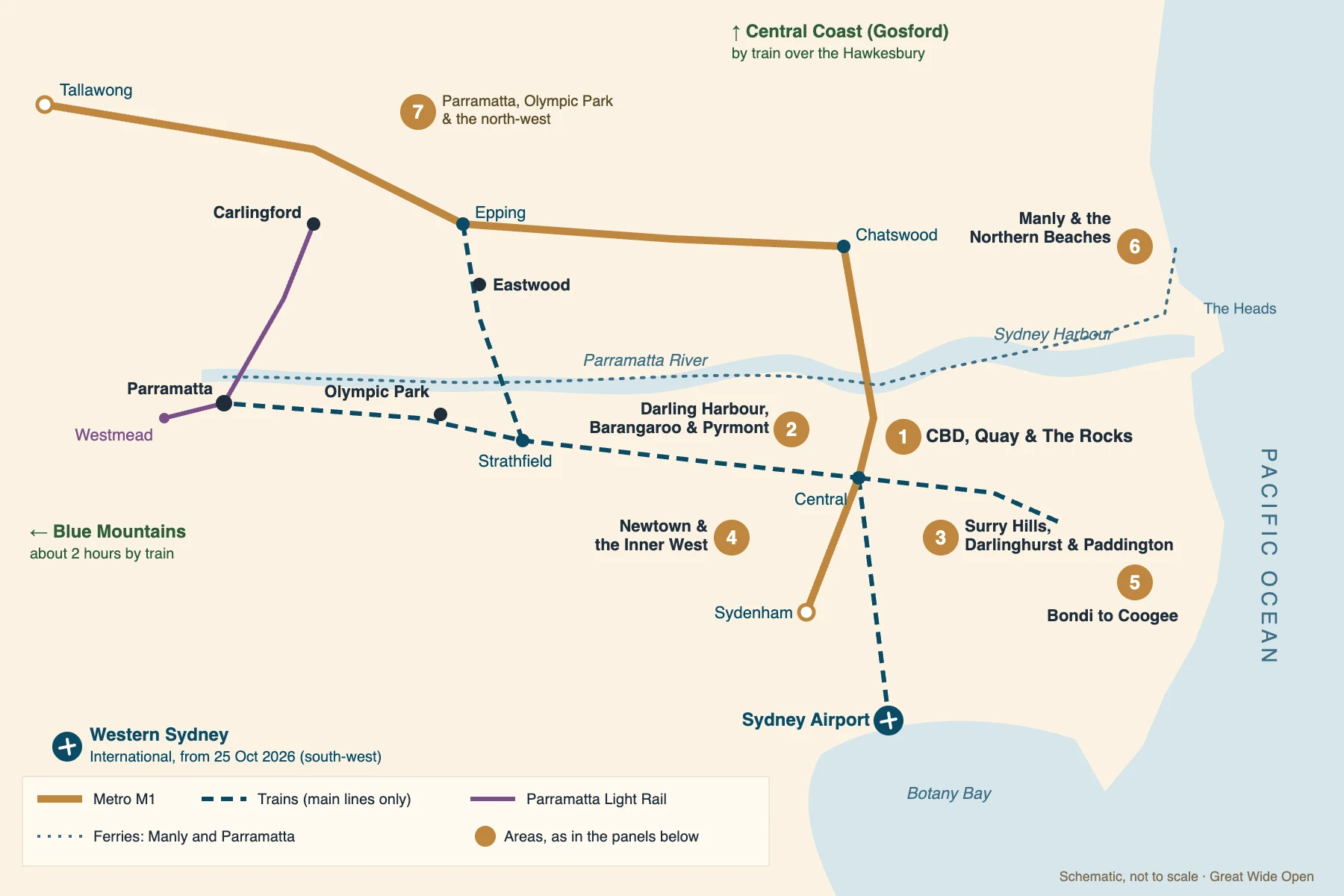
CBD, Circular Quay & The Rocks
the harbour frontThe Opera House, the Bridge and the Botanic Garden are here, and most ferries leave from the Quay. We think The Rocks is overrated: its old streets are worth a short walk, but most of it is now pubs and souvenir shops.
Darling Harbour, Barangaroo & Pyrmont
the western waterfrontA redeveloped waterfront of museums, restaurants and new towers west of the CBD. Past Pyrmont, on Blackwattle Bay, is the new Sydney Fish Market, opened in January 2026.
Surry Hills, Darlinghurst & Paddington
terraces and restaurantsVictorian terraces south-east of the centre, with much of the city's best eating and drinking. Paddington, further east, has Oxford Street's shops and galleries.
Newtown & the Inner West
King Street and GlebeNewtown's King Street is a long run of cheap restaurants, bookshops and bars near the university. Glebe, closer in, has a Saturday market and the foreshore of Blackwattle Bay.
Bondi to Coogee
the ocean beachesThe eastern beaches, joined by a cliff-top coastal walk from Bondi through Tamarama and Bronte to Coogee. The train stops at Bondi Junction, and a bus takes you down to the sand.
Manly & the Northern Beaches
harbour on one side, ocean on the otherManly sits on a narrow neck of land at the harbour's mouth. We walk from the ferry wharf on the harbour side, up the Corso, to the surf on the ocean side. The Northern Beaches run north from here to Palm Beach.
Parramatta, Olympic Park & the north-west
where we stayOur base, in Carlingford, and the part of Sydney most guides skip. Parramatta is the second centre, with Powerhouse Parramatta opening on 7 November 2026. Sydney Olympic Park is on the way in, and Eastwood is where we go to eat.
Places you don’t want to miss
Eight places, and the list is the one we give to family friends on their first visit. Two are on the water, three are on the harbour's edge, and three are further out, where most visitors never go.
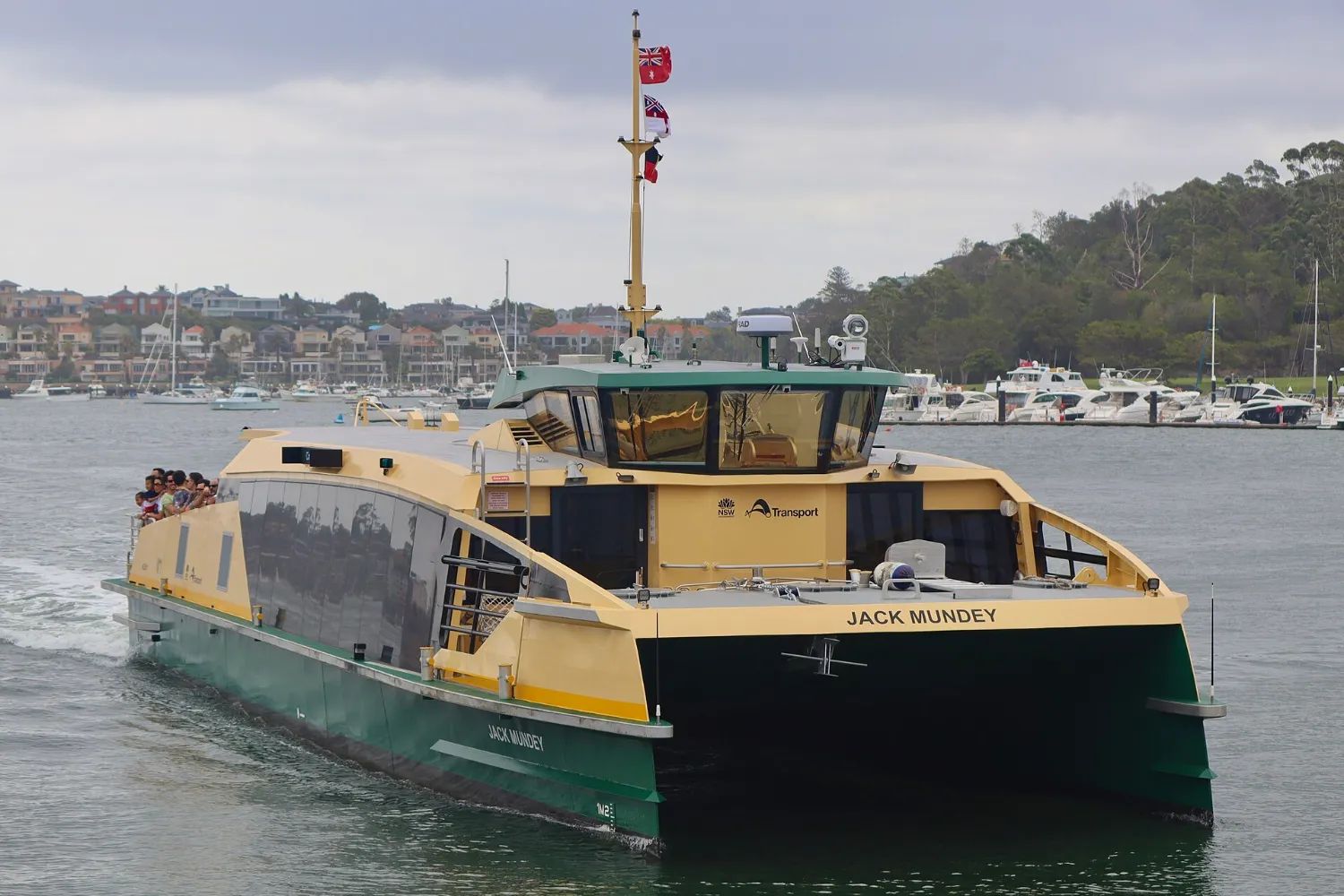
Sydney Harbour
The best way to see Sydney is from a public ferry. Our harbour guide covers which runs to take and what a whole day on the water costs.
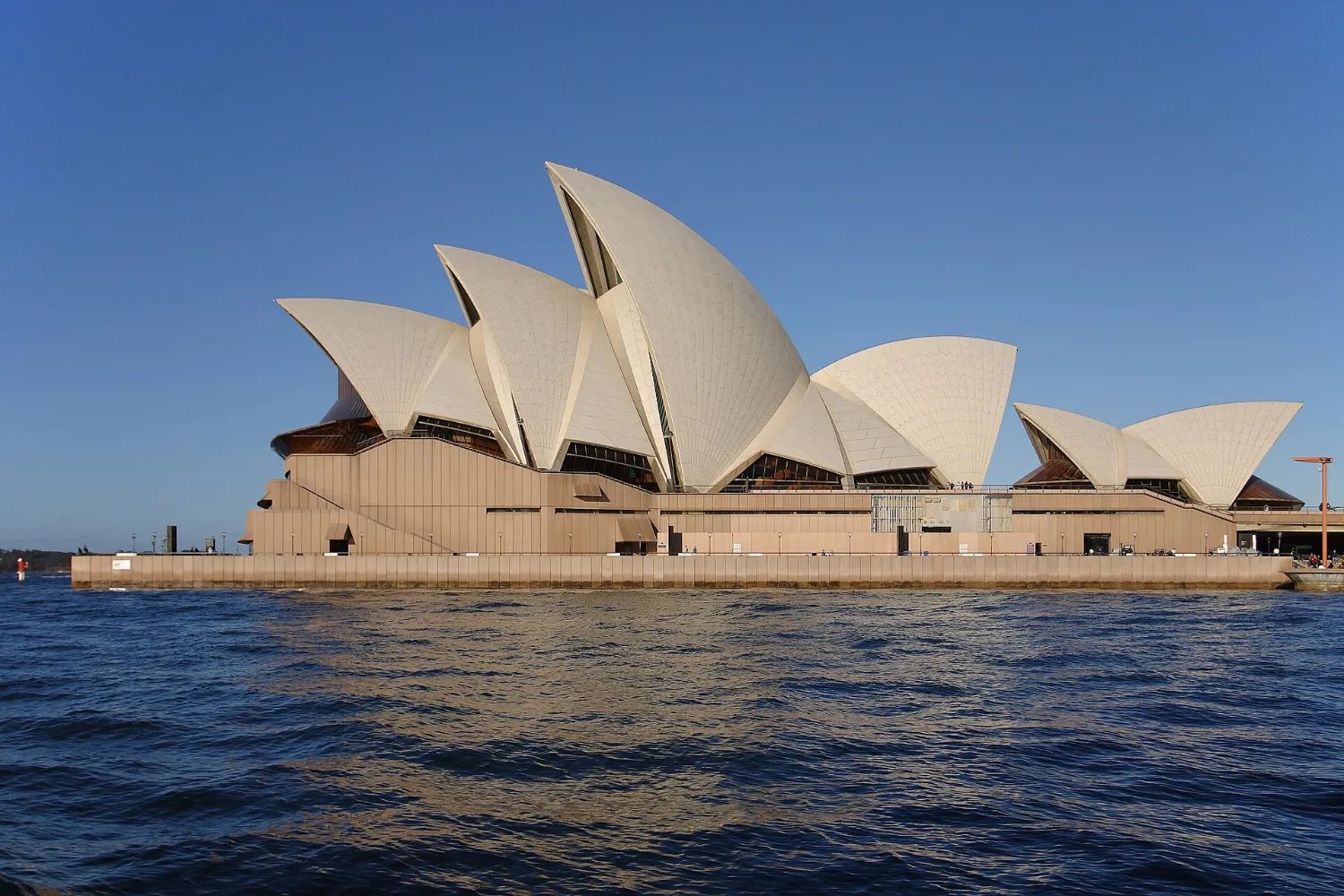
Sydney Opera House
A World Heritage building since 2007. Walk out along the forecourt from Circular Quay at least once, and see a performance if you can. The guided tour shows you the inside.
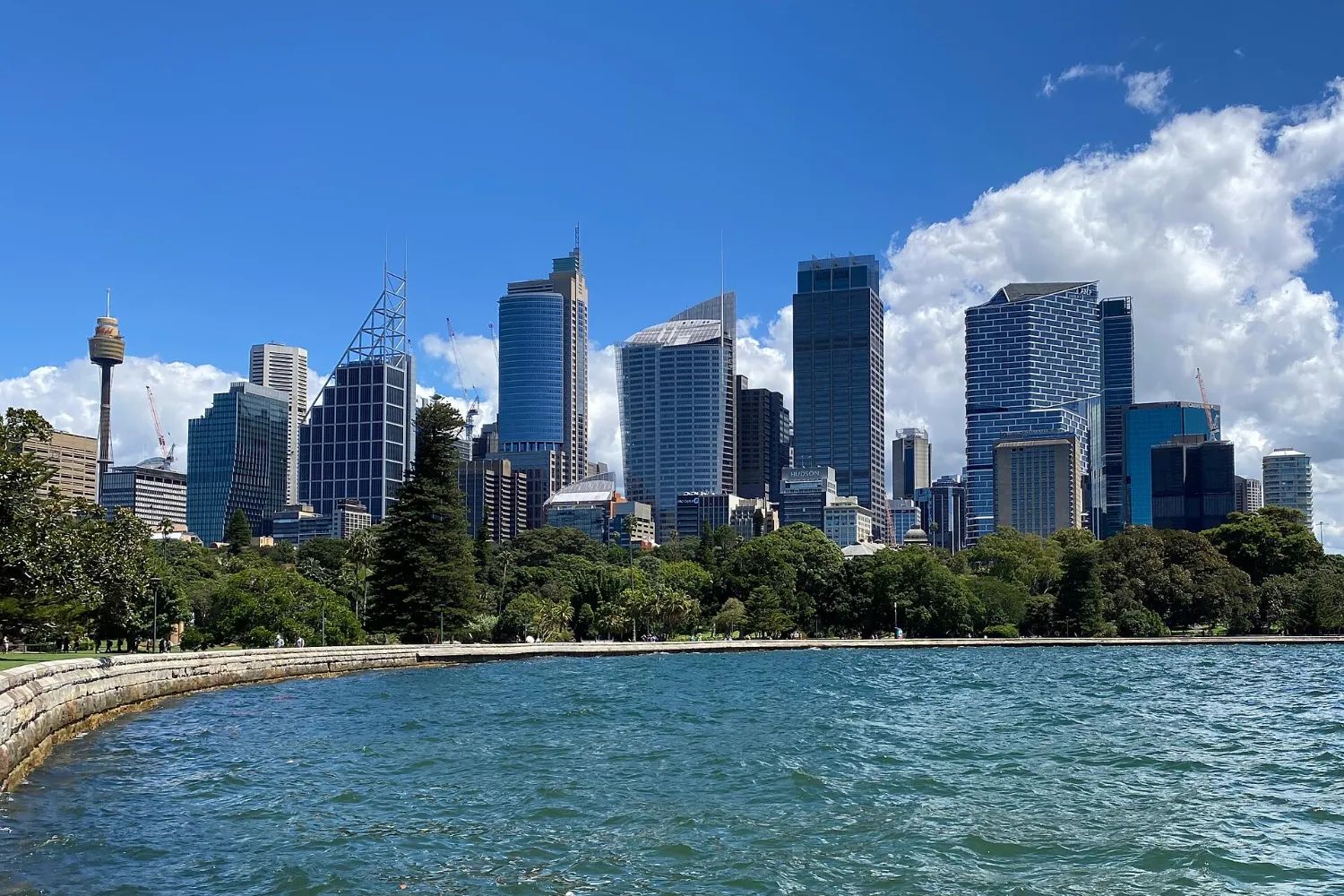
Royal Botanic Garden
Free, and right beside the Opera House. The walk round Farm Cove ends at Mrs Macquaries Chair, with the Opera House and the Bridge in one view.
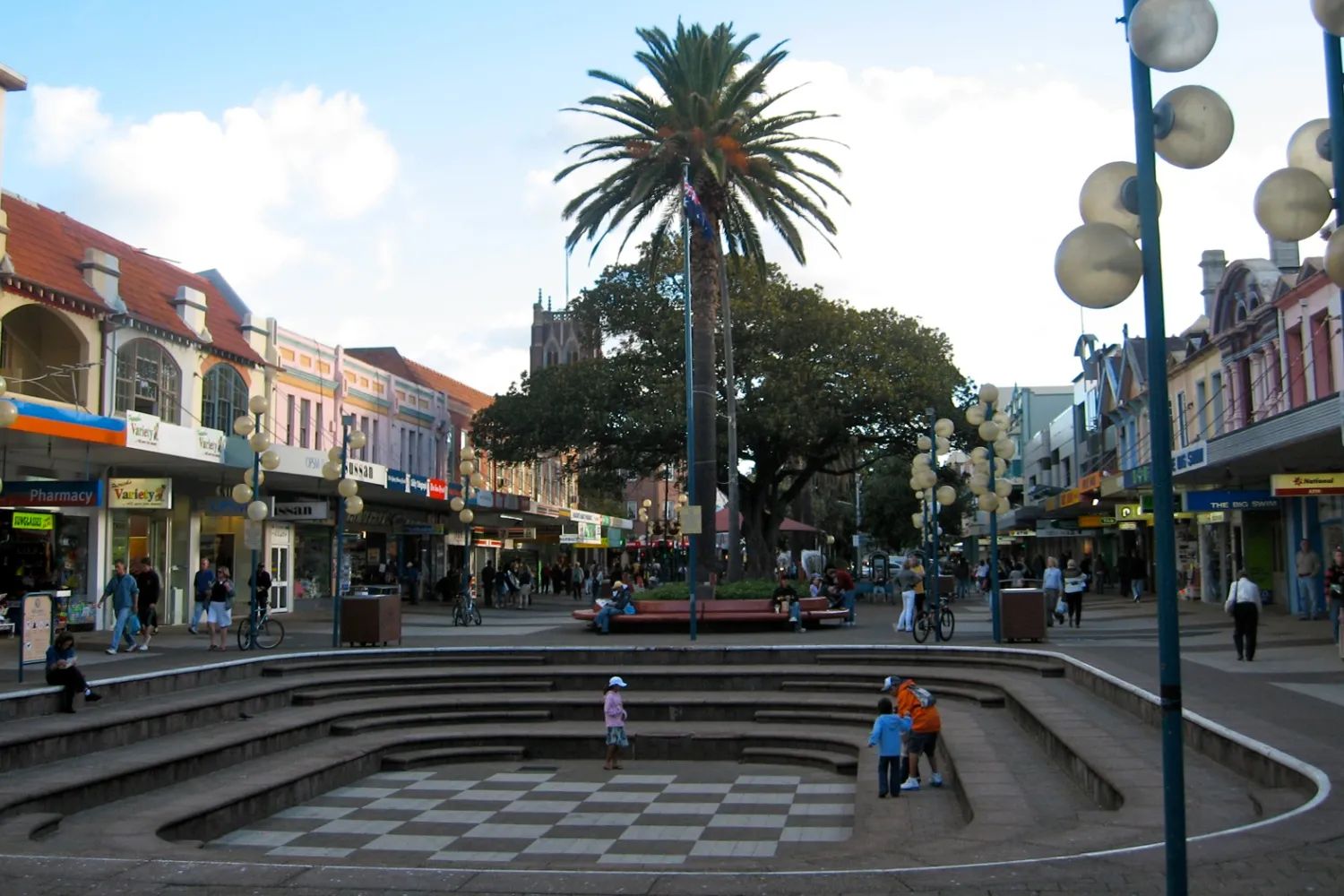
Manly ferry & the Corso
Half an hour from Circular Quay, across the harbour mouth where the swell comes in through the Heads. Then walk the Corso from the harbour beach to the ocean beach.
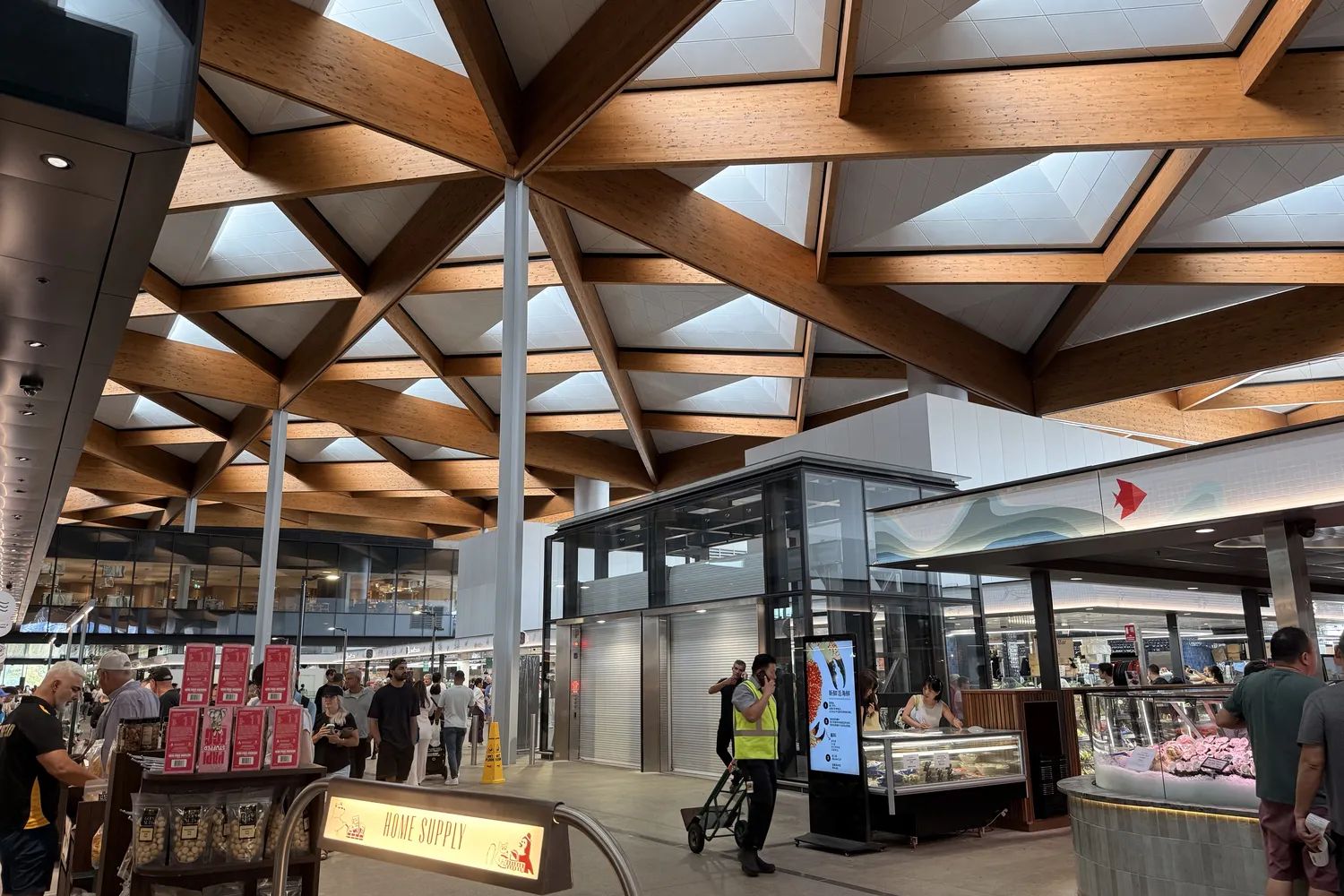
Sydney Fish Market
A new building on Blackwattle Bay, opened in January 2026, with fishmongers and restaurants under one roof. Go at lunchtime and eat by the water.
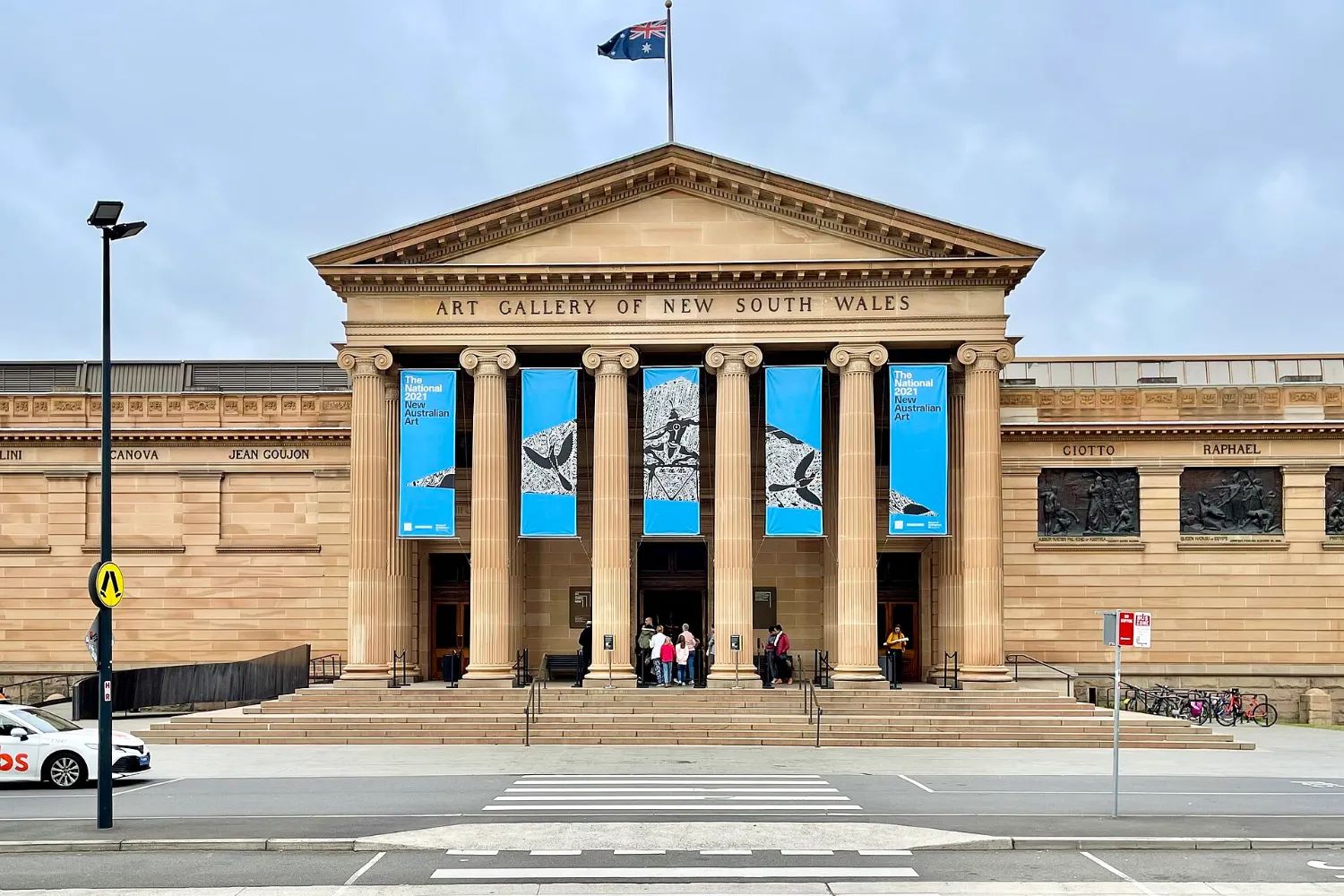
The museums
Two of the best: the Art Gallery of New South Wales, with its Sydney Modern building, and the Australian Museum, the country's oldest. They are a short walk apart on the eastern edge of the CBD, and general entry to both is free.
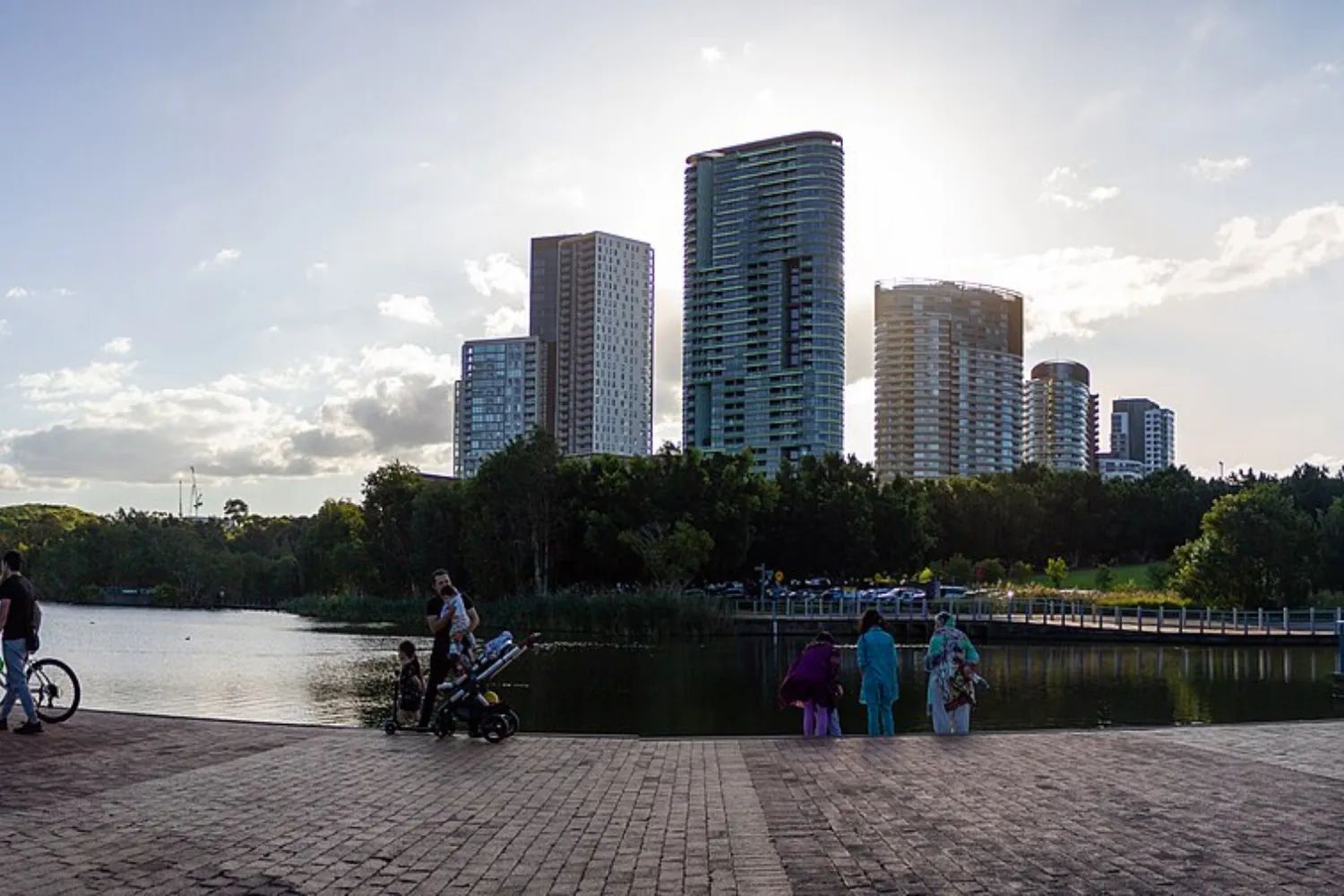
Sydney Olympic Park
The site of the 2000 Games, now parkland, wetlands and stadiums on the Parramatta River. It is about half an hour by train from Central, changing at Lidcombe.
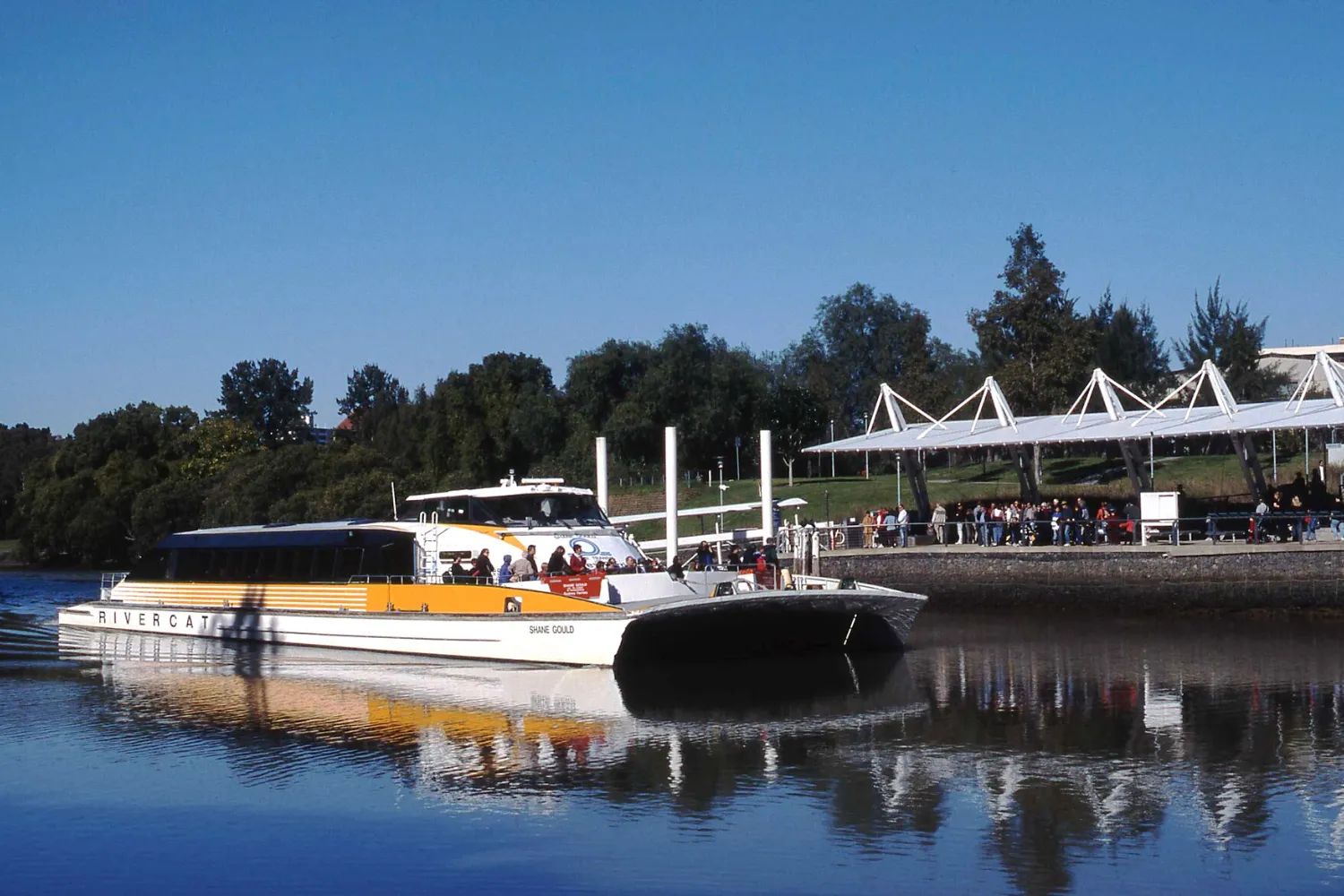
Parramatta by ferry
The river ferry between Sydney's two centres, past the old shipyards and Olympic Park. Our guide covers the trip end to end.
Only Sydney Harbour and the Parramatta ferry have guides so far. The other six cards carry no link rather than a link to nothing.
The four practical questions
When should I visit Sydney?
Autumn and spring, and why summer is hotter than it looks.
See below ↓ Where to stayWhere should I stay in Sydney?
Eight areas compared, and where to look in each.
Read the guide → Where to eatWhere should I eat in Sydney?
Seven food areas, from the Fish Market to Cabramatta.
Read the guide → Getting aroundHow will I get around?
Trains, the Metro and ferries do it well; suburban buses do not.
See below ↓When to visit
March to May and September to November are the months to aim for. Sydney is mild all year, and rain falls in every month rather than in a wet season. The figures below are the Bureau of Meteorology's long-term averages for Observatory Hill, by the Harbour Bridge.
| Months | Temperature | Rain | What it means |
|---|---|---|---|
| December to February | 25–26°C by day, 18–19°C at night | Around 8–9 wet days a month | Beach weather, humid, and hotter on heatwave days; school holidays |
| March to May | 25°C falling to 20°C | March and April are among the wettest months | Warm sea, settled days: one of the two best windows |
| June to August | 16–18°C by day, 8–9°C at night | June is wet; July and August are drier | Cool and clear, good for walking; too cold for most swimmers |
| September to November | 20°C rising to 24°C | The driest part of the year | The other best window, before the summer crowds |
Averages hide the extremes. Summer heatwaves can take the city past 40°C, and the western suburbs are hotter than the coast. For New Year's Eve, book harbourside rooms well ahead. For the rest of the country, see our guide to the best time to visit Australia.
Where to stay
We have always stayed with family, so this section is researched, not tested. For a first visit, stay near Circular Quay or in the CBD. Everything in One perfect day is then a walk away, and most ferries leave from your doorstep. It is also the most expensive part of the city.
Surry Hills and Darlinghurst suit people who put food first. They are close to Central station and a walk from the CBD. Bondi or Coogee suit a beach holiday, but add a train-and-bus journey to every trip into the city. Manly is a lovely base for a longer stay if you enjoy the ferry, because you will take it every day.
Parramatta has hotels too, and it is where the light rail, the train and the river ferry meet. It suits a stay with the west or the Blue Mountains in mind. For how Australian accommodation works, see our guide to accommodation in Australia.
Our guide to where to stay in Sydney compares eight areas and names the hotels we would look at in each.
Where to eat
Go to the suburbs for Chinese and Korean food. Sydney's Chinatown, in Haymarket, is where most visitors look. We think Eastwood, in the north-west, is better, for Chinese and Korean food alike, and it is a short train ride from the city. Chatswood, on the Metro, and Burwood, in the inner west, are good for Chinese food too. These are suburbs where people from those communities live and shop, and the restaurants cook for them. We wrote about eating round the corner from our family in a day in Carlingford.
The new Sydney Fish Market opened on Blackwattle Bay in January 2026, and we went in its first weeks. It is a place to spend a lunchtime: fishmongers selling to the public and restaurants under one wide roof, with tables by the water. Go early in the day for the best of the fish.
For a dinner out in the inner city, Surry Hills and Darlinghurst have the widest choice. Newtown's King Street is cheaper and later. Restaurants change fast, so look at recent reviews for a particular place.
Our guide to where to eat in Sydney compares seven food areas, names a handful of long-established places, and sets out a one-day food route.
Getting around
Once you are on the trains, and on the Metro in particular, your travel is sorted. The Metro's M1 line runs from Tallawong in the north-west through Chatswood, under the harbour and the CBD, to Sydenham. The city section opened in August 2024. Its stations are modern and its interchanges easy, and it is the biggest change to Sydney travel since we started coming. The extension from Sydenham to Bankstown is built but not yet open, and no date had been given when we checked.
The ferries are transport, not just sightseeing. Most leave from Circular Quay. Our Sydney Harbour guide has the runs and the fares. Light rail runs through the CBD and out to the Inner West. A second system, the Parramatta Light Rail, opened in December 2024 from Westmead through Parramatta to Carlingford. We saw it in Parramatta but have not yet used it.
Off the train and Metro lines, suburban buses are infrequent and cover less ground than you might expect. That is why so many Sydneysiders drive, and why the roads are busy. Choose a base on a line, and allow extra time for anything that means a bus or a car.
Pay with an Opal card or simply tap a contactless bank card, phone or watch. Transport for NSW charges adults the same fares, with the same daily and weekly caps, either way. Children and concession travellers need an Opal card. Check Transport for NSW for current fares.
Arriving by air. Sydney Airport (SYD) is about a quarter of an hour from Central by train. The airport stations are privately run and add a station access fee, the Gate Pass, to every fare. Western Sydney International (WSI) opens to passengers on 25 October 2026, with Jetstar domestic flights first, then Air New Zealand to Auckland and Singapore Airlines. It has no rail link yet, so you will need a bus or a car.
Day trips
The Blue Mountains deserve a night, not just a day. The Three Sisters at Echo Point, above Katoomba, are the famous view, but the mountains are a national park of walks, lookouts and villages. The train from Central takes about two hours and runs at least hourly. The drive can take longer than you expect. The last time we went, we stayed overnight in a B&B, which gave us time to explore properly. If you only have a day, go by train and start early. Our Blue Mountains guide covers the lookouts, the walk down to the valley floor and the case for a night.
The train north to Gosford is one of the great short rail trips. The line crosses the Hawkesbury River and runs along its inlets, and the views are spectacular. Gosford is the gateway to the Central Coast beaches at Terrigal and Avoca. Before Carlingford, Woy Woy was where we stayed, and we know Avoca Beach well. But no train goes beyond Gosford to the beaches. Buses run, and Visit NSW suggests about 90 minutes by car from Sydney. To see the coast properly, you need a car.
Further up the coast, our East Coast itinerary starts in Sydney and drives north to Brisbane. The North Coast by rail covers the same coast by train.
For the other days out, from Royal National Park and Kiama to the Southern Highlands and the Hunter Valley, and the two places better kept for a night away, see our day trips from Sydney.
A few honest limits
Rip currents are the real danger on Sydney's ocean beaches. Swim only between the flags, where lifeguards patrol. If a rip takes you, float and raise an arm; do not swim against it. In an emergency, call 000.
Sydney is expensive, especially for rooms near the harbour, and it is very big. A short stay spent entirely around Circular Quay sees the postcard, not the city. Spend one day somewhere ordinary: take the train to Parramatta or Eastwood, eat where the locals eat, and come back to the Quay by ferry.
A final word on Sydney
We have been coming to Sydney for forty years, and it has changed less than you might think. The harbour is the same, the light is the same, and the ferry to Manly is still the best half-hour in the city. What has changed is that you can now reach almost all of it by train. See the harbour first, then take one of those trains out to the suburbs, where most of Sydney lives.
Andrew + Margaret
- Sydney Harbour Highlight
- Parramatta to Circular Quay by ferry Highlight
- Sydney to Brisbane road trip Journeys
- Entry requirements for Australia Practical
- Visiting Australia Overview
- Transport for NSW — trip planner and fares Official
- Sydney Metro Official
- NSW National Parks — Blue Mountains Official
- Bureau of Meteorology — Sydney forecast Official