Australian Culture and Etiquette
Familiar on the surface, and a good deal more interesting underneath
Much of Australia will feel familiar if you come from Britain, Ireland or North America: the cities, the language, the sport, the way people live. Lift the rock and there are many Australias beneath it. This page is about those, and about making sense of what is different from home.
Three things sit on the same ground. You are a guest on Country, the land of hundreds of First Nations whose cultures are still living. You are among people raised on a settler legend of mateship and the fair go, which Australia’s own historians and politicians both celebrate and dispute. And you are in a migrant nation, where almost half the population has a parent born overseas. Most of what surprises visitors makes sense once you see the three together.
- Equals talk to equals: first names, banter and modesty; showing off goes down badly.
- Country comes first: listen at a Welcome, and follow the signs at sacred sites.
- The everyday rules: shout your round, bring a plate, tip if you wish, swim between the flags.
How this page was madeWe have been coming to Australia since 1986. Family live in Sydney and on the New South Wales coast, we stayed in Melbourne's Chinese suburb of Box Hill in 2026, and in 2009 we cycled from Perth to Sydney. The rest is researched, from First Nations organisations, the Census, surveys and Australia's own writers, and we name our sources as we go.
Last updated 26 October 2026
One country, many cultures
Australia has a dominant culture alongside many others, and an older one beneath them all. Dominant means the most numerous and the one the institutions grew from, not the better one. The first Australians have been here for more than 60,000 years, as the Uluru Statement from the Heart records. British settlement began in 1788. The White Australia policy restricted non-European immigration until it was dismantled between 1966 and 1975, and today almost half of Australians have a parent born overseas, and more than a quarter were born overseas themselves.
| Community | Roughly how many | Languages and faiths | Where a visitor meets it |
|---|---|---|---|
| Aboriginal and Torres Strait Islander peoples | About 1 million, 3.8% of Australians (2021 estimate) | Hundreds of nations, each with its own language and Law | Everywhere: 41% live in major cities. Meet the cultures on Aboriginal-led tours, at art centres and in the big galleries’ First Nations collections |
| Australians of British and Irish descent | 33% report English ancestry, 9.5% Irish, 8.6% Scottish | English; Christian 44% and no religion 39% across the whole population | The institutions, the law, the country towns, and much of the public culture described on this page |
| Chinese Australians | 5.5% report Chinese ancestry; 685,000 speak Mandarin at home | Mandarin, Cantonese and others | Box Hill and Chinatown in Melbourne; Chatswood and Eastwood in Sydney |
| Indian and other South Asian Australians | India is now the third country of birth after Australia and England | Punjabi (239,000 at home), Hindi and others; faiths include Hinduism and Sikhism | The suburbs of every big city, and in their restaurants, temples and festivals |
| Arabic-speaking Australians | 367,000 speak Arabic at home | Arabic; Muslim (3.2% of Australians) and Christian | Sydney’s suburbs especially, and their food streets and bakeries |
| Everyone else who arrived | 27.6% born overseas; 48.2% with a parent born overseas | 5.7 million speak a language other than English at home | Every city: Vietnamese, Greek, Italian and Lebanese streets among them |
Figures are from the 2021 Census (ABS), where people may give more than one ancestry; the 2026 results are due in 2027. The rest of this page mainly describes the customs a visitor meets in public life, which mostly grew from the British and Irish inheritance, with Country beneath it. That is a choice made for your sake, not a ranking.
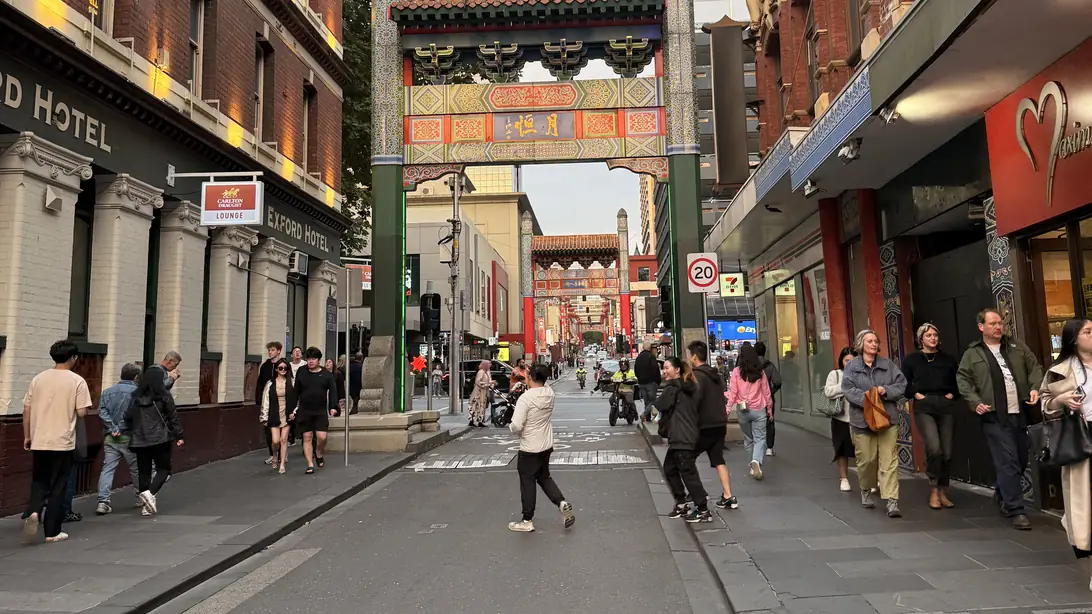
The values underneath
The fair go, and no one above their station
What you may notice first is how little anyone defers. Waiters, bus drivers and chief executives alike tend to expect your first name. That is the fair go: a reasonable chance for everyone, and a dislike of anyone who acts superior. Its shadow is the tall poppy syndrome, the urge to cut down people who stand out; Australians argue over whether that is modesty or envy. Outsiders from D. H. Lawrence to Matthew Parris have found Australia flatter in its manners than Britain. Talk about yourself lightly.
Mateship, and its limits
The national story, built around the Anzacs of Gallipoli, gives the Australian character as courage, egalitarianism, endurance and mateship, in the words of the government’s Anzac Portal. Historians such as Marilyn Lake and Henry Reynolds argue that it left out Aboriginal Australians, women and Asian Australians. You will meet its warm side everywhere, in strangers who help without being asked.
You may also meet its limits. Cycling across the Nullarbor in 2009, we stopped for lunch at an abandoned roadhouse at Yalata. Someone in our group explained it as a business “given to members of the Aboriginal community” that “subsequently fell apart”. Andrew’s journal for 8 August records that it did not seem very respectful. We also remember hearing, on that ride, First Nations people blamed for their own misfortunes.
Such views are part of Australia, not all of it. In 2024, 85% of Australians told the Scanlon Foundation that multiculturalism has been good for the country, while about a third were negative towards Muslims. In 2023, 60% voted against an Indigenous Voice to Parliament. Supporters saw it as recognition; two in three No voters rated avoiding division as very important; voters aged 18 to 24 voted Yes (ANU).
Country
The least familiar idea, and the most important, is Country. Many First Nations people describe land, water, sky and ancestors as one living whole, to which they belong and for which they are responsible. The national curriculum names this, with strong kinship systems, as widely shared. Yet Aboriginal and Torres Strait Islander peoples are two distinct groups of hundreds of nations, and there is no single Aboriginal culture.
The Law that governs Country, often called the Dreaming in English, is continuing, not past, which is why many dislike the word “Dreamtime”; at Uluṟu the word is Tjukurpa. Our guide to Aboriginal and Torres Strait Islander Australia goes further.
This is a living culture with a hard history. The 1997 national inquiry Bringing Them Home found that between one in three and one in ten Indigenous children were taken from their families between 1910 and 1970. The High Court’s Mabo decision of 1992 rejected the fiction that the land had belonged to no one, and the Prime Minister apologised in 2008. First Nations Australians still live 8 to 9 years less than others, by the official Closing the Gap figures. Learn whose Country you are on, and treat it as someone else’s home.
A largely secular public life
In the 2021 Census, 38.9% of Australians said they had no religion and 43.9% were Christian, followed by Islam, Hinduism and Buddhism. So do not assume your hosts are religious, or that they are not.
How Australia sees visitors
Tourism itself is broadly welcomed. In an Ipsos survey of 2019, 72% of Australians said it brings wealth and income, against an average of 52% across fifteen countries, though 17% thought visitor numbers should be limited. We found no recent survey of how Australians regard visitors themselves.
If you are English you may be called a pom or pommy. The Australian National Dictionary Centre traces it through rhyming slang, from jimmygrant (immigrant) to pomegranate, and finds no support for “Prisoner of Mother England”. It can be used “with good humour or in a derogatory way”, the Centre says; a whingeing pom is never a compliment. Americans may hear seppo, less well recorded, affectionate or not depending on tone. Take either as banter unless the tone says otherwise.
Some of the welcome is formal. At many public events, and some tours, you will hear a Welcome to Country, given by Traditional Owners or with their permission, or an Acknowledgement of Country, which anyone may give. “Just let this person come through,” is how the Ngunnawal Elder Jude Barlow describes what it asks of the ancestral spirits. Listen, follow what the room does, and ask before you film.
How people treat each other
What you may notice is the informality. Strangers chat on trains, as Lonely Planet tells its readers, and first names come quickly. Expect some good-natured teasing, as one Australian guide for newcomers puts it, and take it lightly.
The value beneath is the same fair go. Nobody is to be treated as above or below anyone else, and rank at work or in service is played down. In a pub, the custom is the shout: each person in a group buys a round in turn. Accept a drink and the custom is to return it.
How it varies: the Australians you meet may be first- or second-generation migrants whose own customs sit alongside these.
Language: English, but Australian
English is spoken everywhere, so language is rarely an obstacle. Communication is another matter. We have often found understatement: not bad can mean very good, and a serious point may arrive as a joke. Swearing in ordinary conversation is common and usually means nothing. Short forms ending in -o are a habit the Australian National Dictionary Centre traces back a century.
| Phrase | What it means | When you will hear it |
|---|---|---|
| G’day / No worries | Hello. No trouble at all; everything is fine | Everywhere, all day; no worries answers thanks and apologies alike |
| Arvo | Afternoon | “See you this arvo.” One of many words shortened with an -o |
| Servo | A service (petrol) station | On any road trip, where the servo is often the only shop for miles |
| Heaps | A lot; very | “Thanks heaps.” Used for emphasis by people of every age |
| Shout | To pay for someone else’s food or drink; a round | “My shout.” In pubs and cafés |
| Bring a plate | Bring food to share, not an empty plate | On an invitation to a party or barbecue |
| A fair go | A reasonable chance; fair treatment | In conversation, and in politics |
Meanings are from the ANU Australian National Dictionary Centre and Curtin University’s guide, read October 2026. You will also see the first languages of the country: Fraser Island officially became K’gari in 2023, and many places carry two names. Using the local name where one is in use is a small courtesy that is noticed.
Food and the table
Much of what Australians eat came with migrants. Greek and Italian cafés came after the Second World War, Vietnamese after 1975, and Chinese, Indian and Middle Eastern food is everywhere now. In Box Hill, where we stayed, the Chinese food was good, and in Sydney we go to Eastwood for Chinese and Korean food rather than to Chinatown.
At home, eating is often informal, and the barbecue is a common way to entertain. If you are asked to bring a plate, bring a dish of food to share, not an empty plate. Some restaurants are BYO: you bring your own wine, often for a small corkage charge. Bush foods are best met on an Aboriginal-led tour, where they come with the knowledge behind them. Our guide to Tasting Australia tells the whole story of what the country eats.
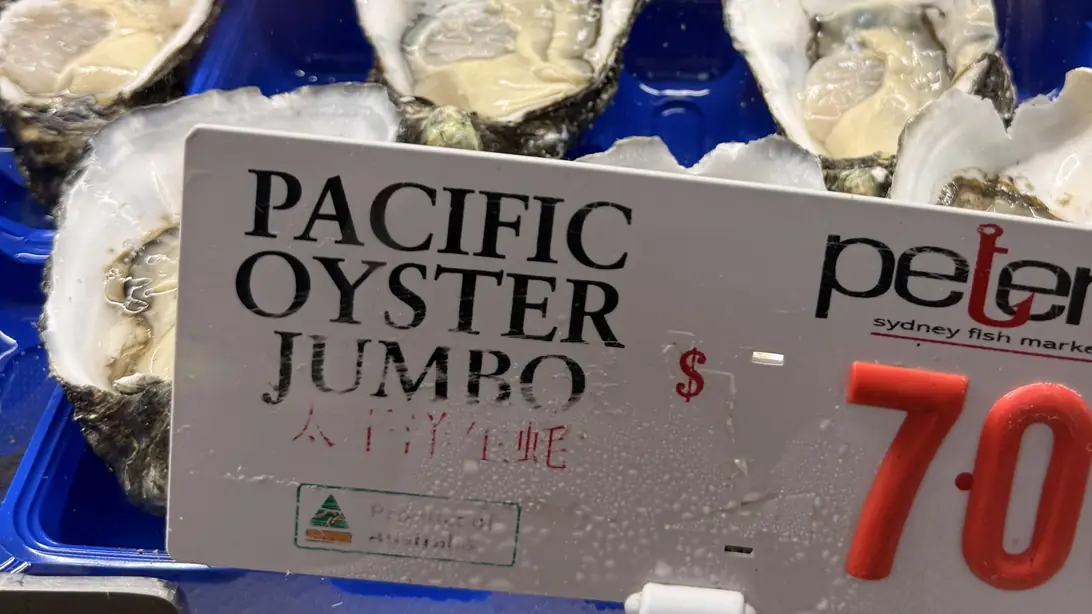
Sacred places, and the days that divide
The places Australians hold sacred are of two kinds. The first are sacred sites, places of particular meaning in First Nations Law. Not all are marked, and some are protected by law. At Uluṟu, signed sites must not be photographed, and drones are banned in the park. Every place guide gives its own rules; the principle is that the owners of the place decide what visitors may do there.
The places that carry these rules are among the most rewarding in Australia, and the rules are part of the encounter. In the Northern Territory, entering a sacred site without permission is an offence carrying up to 200 penalty units (about $38,800) or 12 months in prison (Aboriginal Sacred Sites Act 1989, as in force May 2025). At Uluṟu, a Commonwealth national park, the rules are set by Parks Australia with Anangu. Follow the signs and the guides.
You will also meet the customs of mourning. After a death, many communities avoid saying the person’s name or showing their image for a time, which is why television programmes, museums and books warn that they may contain images of people who have died. If you are asked not to use a name or show a picture, respect it.
The second kind is the war memorials. On Anzac Day, 25 April, dawn services are held at memorials across the country, among them the Shrine in Melbourne and the War Memorial in Canberra. Visitors are welcome; arrive early and stand quietly.
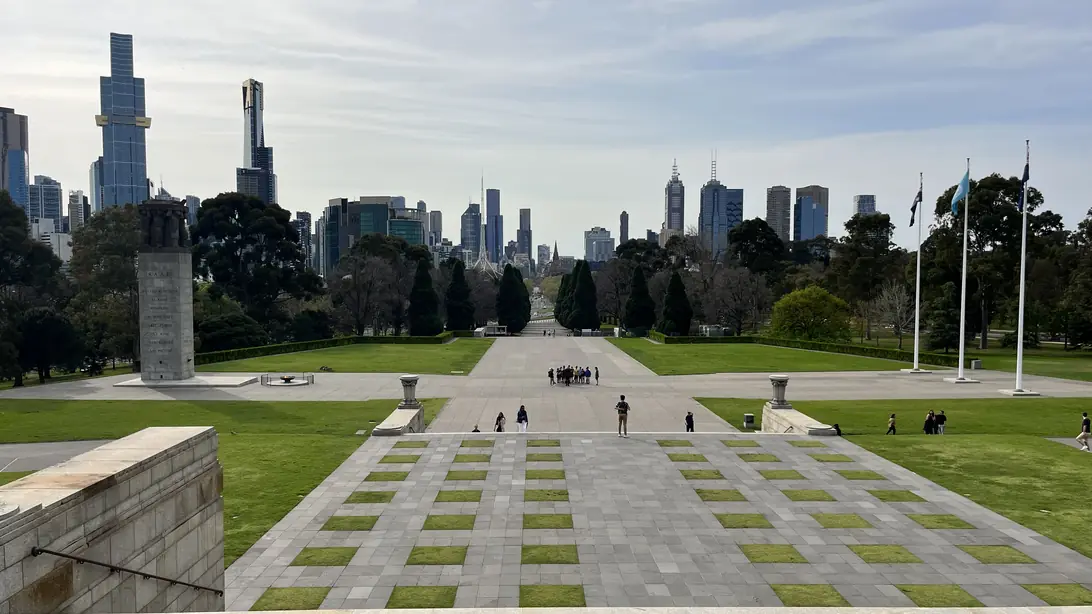
One day divides the country: 26 January, Australia Day, the anniversary of the First Fleet in 1788. Many First Nations people mark it as Survival Day or Invasion Day, and the national Australia Day Council calls it “a day with multiple meanings”. In Sydney it now opens with a dawn reflection on Eora Country before the harbour festivities.
In a 2024 Deakin University survey, just over 40% agreed it should not be celebrated on that date and nearly 58% disagreed; among under-35s, 53% agreed. Listen rather than ask your hosts to take a side. NAIDOC Week, usually in early July, celebrates First Nations cultures and is open to everyone.
Hospitality, gifts and money
Invited to someone’s home, bring something to share: a bottle, or a plate if asked. Offer to help, and accept if they let you.
Tipping is optional. Wages are set by law and service is not built around tips, so you will not be chased for one. Many leave something for good table service, and Lonely Planet notes that tipping is becoming more common in cities such as Melbourne. In a pub, the shout replaces the tip: what you owe is a round, not a gratuity.
Most visitors worry needlessly about slang and tipping; what matters more is the sun, the flags and the signs at sacred sites.
— Andrew + MargaretBehaviour in public, and how it is kept
Most of what is expected in public is kept by custom: queue, keep your voice down on public transport, and ask before photographing people, especially children, though no general law forbids it in a public place (Arts Law Centre of Australia). A smaller set of rules is kept by law, to protect Country, wildlife and swimmers.
Australia’s beaches are among its great pleasures, and lifesavers mark the safest water with red-and-yellow flags. In 2024–25 154 people drowned on the coast, a record, and every one was outside the flags, outside patrol hours or on an unpatrolled beach (Surf Life Saving Australia).
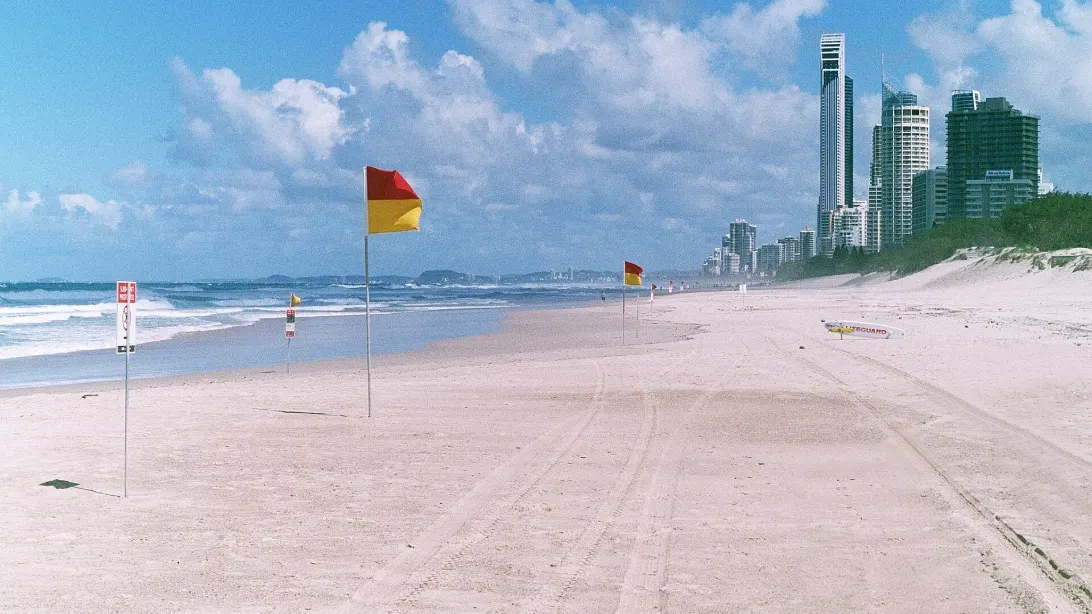
Laws and fines in the panels below are from the Northern Territory and Queensland governments and Parks Australia, read October 2026; they vary by state, so local signs take precedence. With children, keep them between the flags, covered from the sun, and close by at sacred sites.
Situation by situation: pick where you’ll be, or show all six.
Meeting people, and the fair go
Equals talk to equals. First names come quickly, and so does the teasing.
- Use first names. Waiters, bus drivers and chief executives alike tend to expect yours.
- Take the teasing lightly. Good-natured banter is common, and rarely meant to wound.
- Talk about yourself lightly. Let others praise you, and shrug when they do.
- Big-noting yourself. Boasting about money, rank or achievements cuts against the fair go. Kept by social pressure only.
- Taking “pom” or “seppo” to heart. Both are usually banter, unless the tone says otherwise. Custom only.
- Assuming your hosts are religious, or not. In 2021, 38.9% said they had no religion and 43.9% were Christian. Custom only.
In the pub, and at someone’s home
Taking part is part of the welcome. The shout and the shared plate are how it works.
- Shout your round. In a group, each person buys a round in turn.
- Bring a plate if asked. That means a dish of food to share, not an empty plate.
- Bring something to a home. A bottle, or a plate if asked. Offer to help, and accept if they let you.
- Check whether a restaurant is BYO. If it is, you bring your own wine, often for a small corkage charge.
- Accepting a drink without returning it. The custom is to buy the next round. Kept by social pressure.
- Tipping because you think you must. Wages are set by law and you will not be chased for a tip. Many leave something for good table service. Custom only.
Streets, trains and cameras
Most of what is expected in public is kept by custom. A few rules are kept by law.
- Join the queue. Queuing is expected, and kept by custom.
- Keep your voice down on public transport. Strangers may chat on the train, but loud calls and music are noticed.
- Ask before photographing people. Especially children. No general law forbids it in a public place (Arts Law Centre of Australia), but asking is expected.
- Drinking where alcohol is banned. Law. In NSW alcohol-free zones police may tip your drink out (NSW Police); in Northern Territory alcohol protected areas you can also be prosecuted (NT Government). Fines not published. Read the signs.
On Country and at sacred sites
The owners of a place decide what visitors may do there, and the rules are part of the encounter.
- Learn whose Country you are on. Local signs and Welcomes name the Traditional Owners.
- Listen at a Welcome to Country. Follow what the room does, and ask before you film.
- Respect mourning customs. If you are asked not to use the name or show the image of someone who has died, don’t.
- Use the local name where one is in use. K’gari, not Fraser Island. It is a small courtesy that is noticed.
- Entering a restricted sacred site. Law in the Northern Territory: up to 200 penalty units (about $38,800) or 12 months in prison (Aboriginal Sacred Sites Act 1989, as in force May 2025).
- Photographing signed sites at Uluṟu. Prohibited by park rule. Parks Australia does not publish the penalty.
- Flying a drone at Uluṟu. Park rule: drones and other remote-controlled devices are prohibited in Uluṟu-Kata Tjuṯa National Park. Penalties apply, but the amount is not published. Other parks set their own rules.
- Taking rocks or sand from a national park. Law. Commonwealth parks such as Uluṟu may issue on-the-spot fines under federal law. We could not confirm the amount, so check the park’s own rules.
Beaches, sun and wildlife
The beaches are among Australia’s great pleasures. The rules that matter most here are about safety, not manners.
- Swim between the red-and-yellow flags. That is where lifesavers are watching. If there are no flags, there is no patrol.
- Cover up, even when it is cloudy or cool. Hat, shirt and sunscreen.
- Keep children close. Between the flags, covered from the sun, and within reach where there are dingoes.
- Swimming outside the flags or patrol hours. Custom and safety, not law. Surf Life Saving Australia recorded 154 coastal drownings in 2024–25, every one outside the flags, outside patrol hours or on an unpatrolled beach.
- Going out without sun protection. Health advice, not law, but taken seriously: about two in three Australians are diagnosed with skin cancer by 70 (Cancer Council).
- Feeding the dingoes on K’gari. Law, under Queensland’s protected-area regulations: an on-the-spot fine of $2,205 and a maximum of $11,028 (Queensland Government, 2021). Feeding teaches them to approach people.
Anzac Day, Australia Day and NAIDOC Week
Two days carry most of the national feeling, and one of them divides the country.
- Arrive early for an Anzac dawn service. On 25 April visitors are welcome at memorials across the country. Stand quietly.
- Go to the events on 26 January. Fireworks and festivals, and for many First Nations people a day of mourning, and of survival. You may see both.
- Join in NAIDOC Week. Usually in early July, it celebrates First Nations cultures and is open to everyone.
- Asking your hosts to take a side. On 26 January opinion is split: in 2024 just over 40% agreed it should not be celebrated on that date (Deakin University). Listen instead. Custom only.
- Learn whose Country you are on. Local signs and Welcomes name the Traditional Owners; listen when you are given one.
- Swim between the flags. Every coastal drowning in 2024–25 happened outside them, outside patrol hours or on unpatrolled beaches.
- Follow the signs at sacred sites. No photographs where they ask, and nothing taken away.
- Don’t big-note yourself. First names, banter and modesty are how equals talk.
- Shout your round and bring a plate. Taking part is part of the welcome.
- Tip if you wish, not because you must. Service is paid for by wages.
A final word on Australian culture
Australia rewards the visitor who looks past the familiar. The coffee, the cricket and the language will make you feel at home in a day. The many Australias underneath, cultures that have been here for more than 60,000 years, a legend still argued over and cities where almost half the people have a parent born overseas, are what make it worth the flight.
Andrew + Margaret
- Visiting Australia Overview
- Aboriginal and Torres Strait Islander Australia Culture
- Tasting Australia Culture
- Uluṟu and Kata Tjuṯa Highlight
- Melbourne Overview
- Sydney Overview
- Australia itineraries Journeys
- Stan Grant, Talking to My Country (2016) Reading
- Alice Pung (ed.), Growing Up Asian in Australia (2008) Reading
- SBS NITV: five mistakes in conversation with Aboriginal people Culture
- SBS: what a Welcome to Country means Culture
- ANU Australian National Dictionary Centre: meanings and origins Culture
- Parks Australia: photography at Uluṟu Official
- Surf Life Saving Australia: Beachsafe Safety
- Closing the Gap: the official dashboard Official
Do I need to tip in Australia?
No. Tipping is voluntary because wages are set by law. Many leave something for good table service, and in a pub the custom is to buy your round instead.
Is being called a pom an insult?
Not necessarily. The Australian National Dictionary Centre says it can be used with good humour or in a derogatory way, and the tone tells you which. Most often you will hear it as banter.
What should I do at a Welcome to Country?
Listen quietly and follow what the room does. It is given by Traditional Owners, or with their permission, to welcome visitors onto their land. Ask before filming.
Is Australia Day a good day to visit?
It is a public holiday with fireworks and festivals, and also a day of mourning, and of survival, for many First Nations people. You may see both on the same harbour. Go to the events, and leave the politics to your hosts.
Will I meet Aboriginal culture in the cities?
Yes. In 2021, 41% of First Nations people lived in major cities. Look for Aboriginal-led walking tours, the First Nations collections in the big galleries, and NAIDOC Week events in July.
Can I still climb Uluṟu?
No. Its Anangu owners closed the climb in October 2019; the park stays open, with walks around the base that we describe in our Uluṟu guide.