Apollo Bay
A fishing town on a long curved beach, with the rainforest of the Otways rising behind it and the Cape Otway lighthouse half an hour down the road
Apollo Bay is where the Great Ocean Road comes down from the cliffs onto a wide, gentle bay. The town lines a single street facing the water, with a beach of pale sand in front and a harbour of working boats at one end. Green hills rise straight behind, and beyond them lies the Great Otway National Park, its tree ferns and koalas only a short drive away. Come for fish and chips on the foreshore, a morning on a rainforest boardwalk and the view from Marriners Lookout. It is about three hours from Melbourne and the natural place to stop for the night between Lorne and the Twelve Apostles.
How this page was madeWe have not yet been to Apollo Bay. The one time we travelled the Great Ocean Road, friends drove us and our stop was the Twelve Apostles. So this page is researched, from Visit Great Ocean Road, the Great Ocean Road Coast and Parks Authority, Parks Victoria, the Apollo Bay & District Historical Society, the operators’ own pages and the sources named at the end, checked on 12 November 2026. When we go, we will say so here.
Last updated 12 November 2026
A little background
The Eastern Maar are the Traditional Owners of this coast. The Gadubanud, the King Parrot people, lived on the rainforest plateau and the coast of Cape Otway, around what are now Lorne and Apollo Bay. In the 1840s the Henty brothers ran a whaling station on Point Bunbury, where the golf course is now, and the bay took its name from the Apollo, a ship that sheltered here from a storm in those years. Timber cutters followed from 1849, floating logs out to ships because there was no pier.
For decades the town was reached almost only by sea. A coach came over the hills from Birregurra in 1889, the road was improved in 1927, and the Great Ocean Road was finished in 1932; after that, the holidaymakers came.
Two novels are set here. Peter Cowan’s novel The Hills of Apollo Bay (1989) sends a young writer from Perth to Melbourne and the coast in the years after the war, and Janine Burke’s Our Lady of Apollo Bay (2001) is a novel for young readers set in the town.
How the place fits together
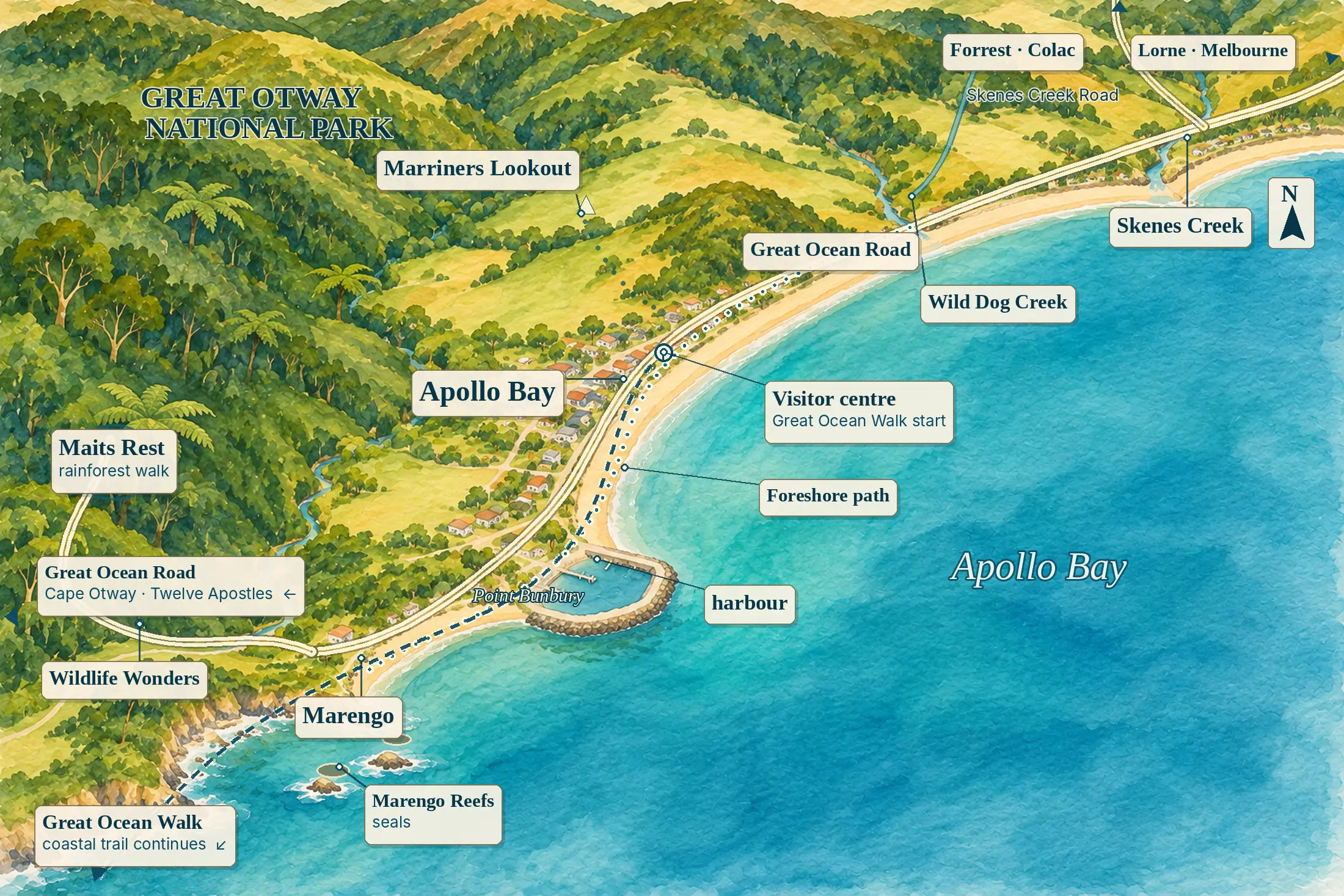
Apollo Bay is a town of one street and one long beach, with the forest at its back. The Great Ocean Road runs along the shore through the centre, past the harbour to Marengo, then turns inland into the Otways towards Cape Otway and the Twelve Apostles. At the other end, Skenes Creek Road leaves the coast for Forrest and Colac. Everything in town is walkable; the forest, the cape and the waterfalls need a car.
The town and the foreshore
the baseThe town is one long street, the Great Ocean Road, with the beach on one side and shops, cafés and motels on the other. The visitor centre and the coach stop are on the foreshore, and the harbour is at the Marengo end. Most beds are here, from motels a street back from the sand to apartments facing it.
Marengo
the quiet endPast the harbour, the road rounds a low point to Marengo, a handful of streets and a holiday park looking out at the reefs. Australian fur seals rest on the rocks offshore. The Great Ocean Walk passes along the shore here on its first morning, and a path follows the coast back into town.
Skenes Creek and the hills
for the viewNorth of town, Skenes Creek is a small beach village where a road turns inland, climbing through the hills towards Forrest and Colac. Cottages and villas sit on the slopes above it, looking back over Bass Strait. The views are the reason to stay here, and you will need a car.
Places you don’t want to miss
Apollo Bay’s best things are the sea in front of it and the forest behind, and you can have both in a day: the rainforest in the morning, then the beach and Marriners Lookout late in the afternoon. Only the Great Ocean Walk has a full guide of its own on our site so far, so it is the only card with a link.
The harbour, and the catch
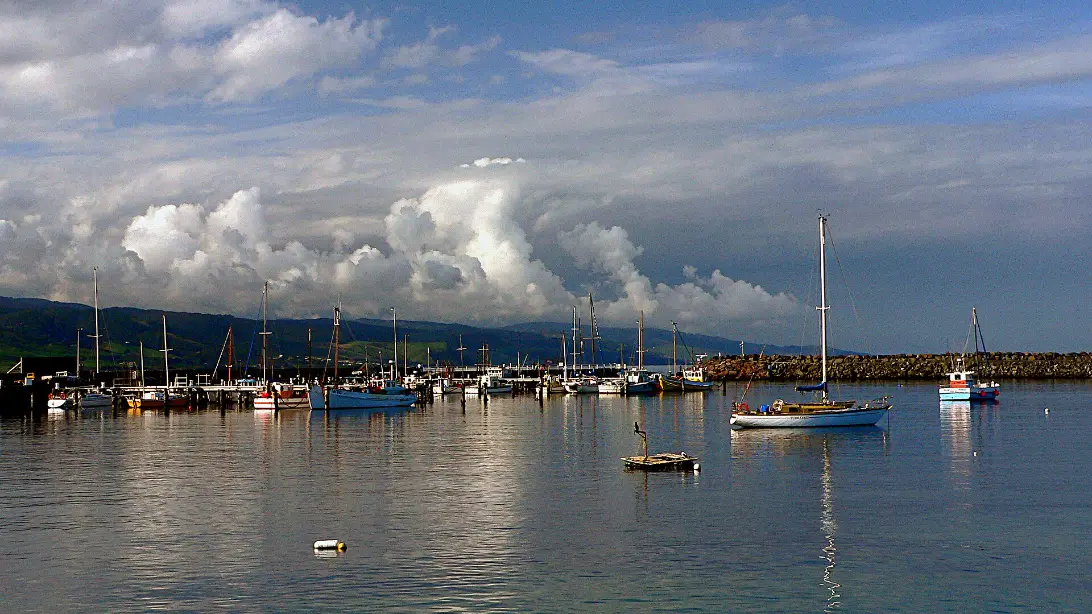
Apollo Bay is a fishing town, and its boats bring in southern rock lobster, snapper, scallops and flathead; the fishermen have run their own co-operative since 1948. The harbour is being rebuilt, with a new Co-op building and a wet fish market, so parts are fenced off and the sea wall cannot be reached from Trafalgar Street. Meanwhile the Co-op sells its catch in town (see where to eat).
The beach and the foreshore path
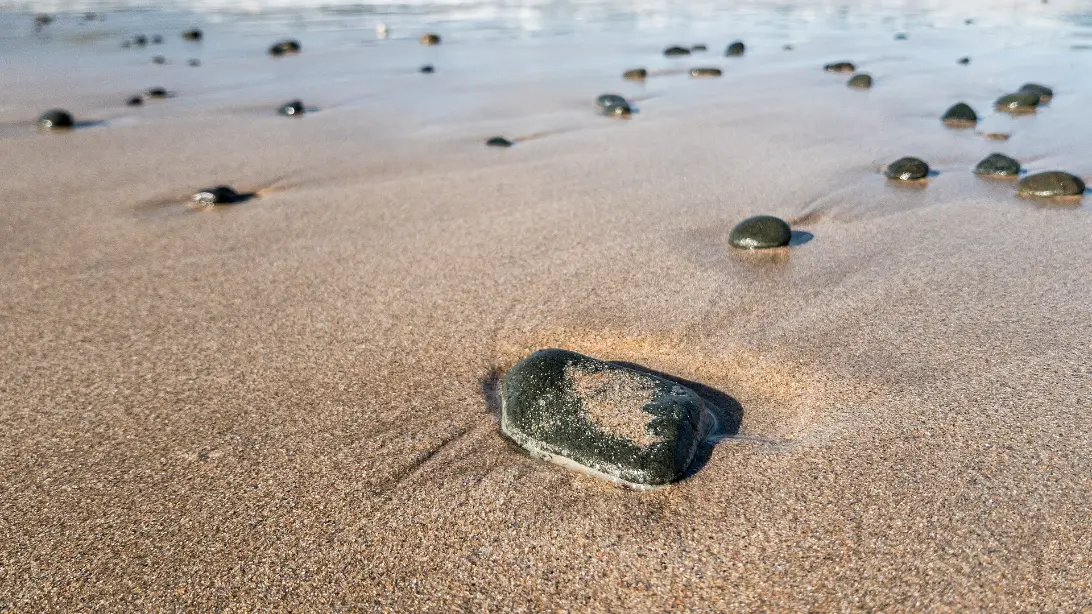
The bay curves for more than five kilometres of sand, from the harbour to Wild Dog Creek; swim between the flags on the patrolled main beach in front of town. A flat path runs along the foreshore between Wild Dog Creek and Marengo, for walking or cycling at any pace. At the harbour end, the rock shelves of Point Bunbury are good for rock pools at low tide.
Marriners Lookout
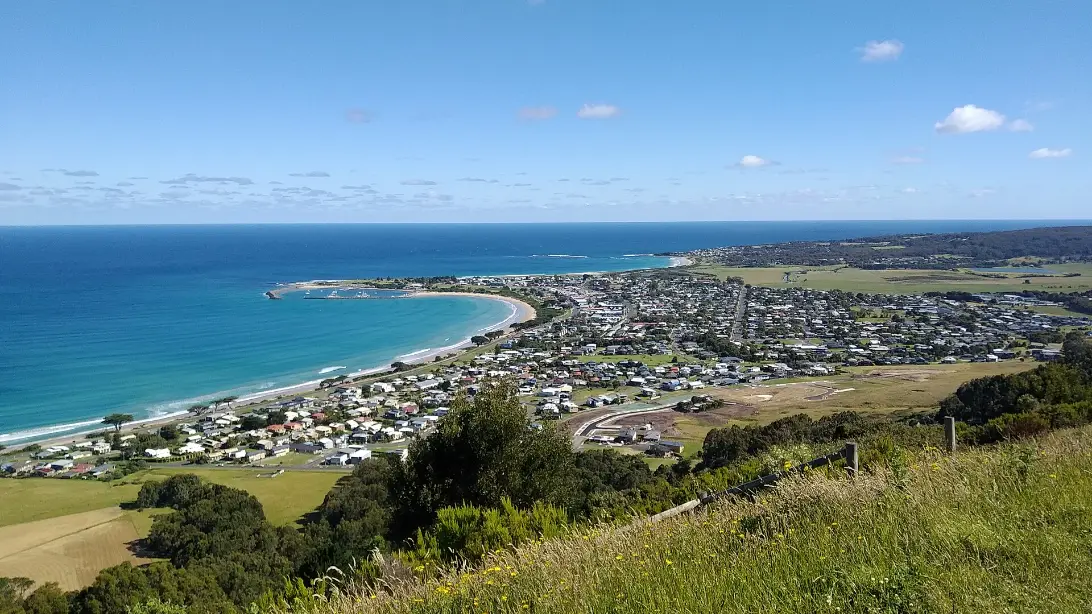
See the whole bay at once from Marriners Hill, 218 metres above the sea, the town strung along the shore and the harbour wall at the point. Turn up Marriners Lookout Road at the north end of town and drive to the car park; from there a short, steep path climbs to the top in about five minutes. Go early or late, when the low sun lights the hills.
Maits Rest and the rainforest
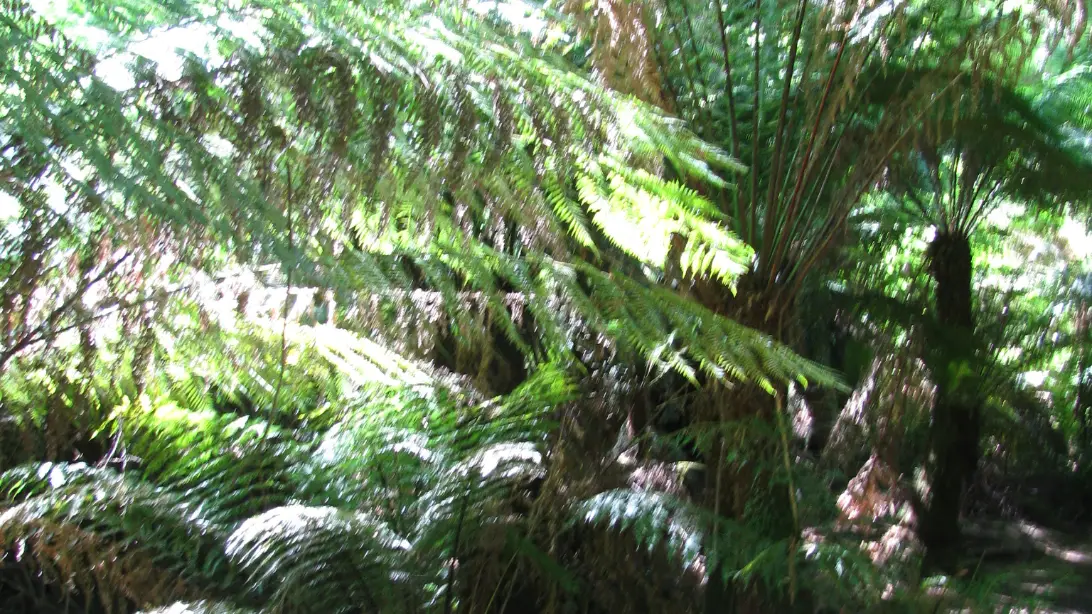
A quarter of an hour west of town, the Great Ocean Road climbs into the Otways, and at Maits Rest a boardwalk loops through cool temperate rainforest. Tall myrtle beeches shade the tree ferns, and moss covers the ground. The loop is about 800 metres, gentle and on timber boards, and takes half an hour.
Cape Otway, koalas and Wildlife Wonders
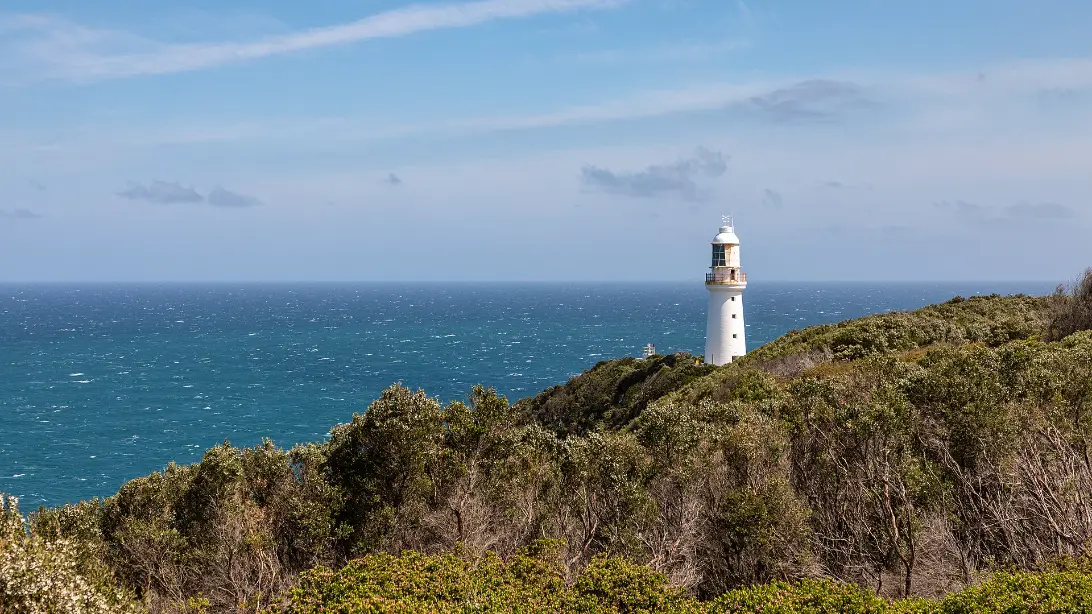
The lighthouse on Cape Otway was built in 1848, and around the cape you may spot koalas asleep in the manna gums. The tower is closed for conservation work, but the grounds, keepers’ buildings and café are open at a reduced price; its own pages list different opening days, so check before you go. Closer to town, Wildlife Wonders, a not-for-profit sanctuary 5 km south, runs guided walks with conservationists, from $59 for 75 minutes.
Marengo, the seals and the Great Ocean Walk
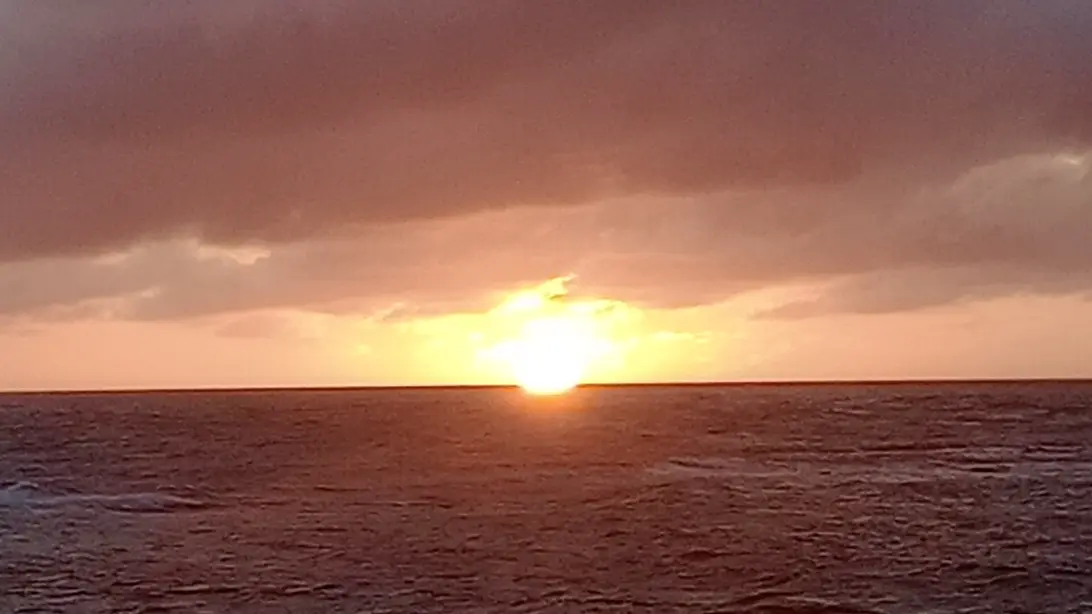
Australian fur seals haul out on the reefs just off Marengo, inside Victoria’s smallest marine sanctuary. Watch them from the beach, or join a short boat or kayak tour from town; give them space, as they can be aggressive. The Great Ocean Walk starts beside the visitor centre and passes here on its way to the Twelve Apostles, more than 100 km and eight days away.
Walk down to the sand in the early evening and turn your back on the sea. The hills come almost to the edge of the town, green farmland first and then the dark line of forest. Behind that first ridge lies the Great Otway National Park, its gullies cool and green. Now turn round. In front of you the bay curves away towards the harbour wall, and the waves come in long and low.
Getting there and around
By car, most people come along the Great Ocean Road from Melbourne, through Torquay and Lorne, and the last stretch from Lorne hugs the cliffs. When that part of the road is closed by a landslip or storm damage, as it was for several days after the record flash flood of January 2026, drive the inland way instead: by Colac or Forrest, then down Skenes Creek Road to the coast. Check VicTraffic on the morning you set out.
| To or from | Distance | What to expect |
|---|---|---|
| Melbourne | About 200 km | About 3 hours by the Great Ocean Road |
| Geelong | About 120 km | About 1¾ hours |
| Lorne | About 45 km | About 45 minutes along the cliffs |
| Cape Otway Lightstation | About 33 km | About 35 minutes, the last part on Lighthouse Road |
| Twelve Apostles | About 85 km | About 1 hour 20 minutes, inland through the Otways |
| Port Fairy | About 185 km | About 2¾ hours, by the Apostles and Warrnambool |
Planning estimates without stops, from OpenStreetMap routing, checked on 12 November 2026. The Great Ocean Road is narrow and busy in summer, so allow more. On our Melbourne to Adelaide via the Great Ocean Road itinerary, Apollo Bay is the first night’s stop.
Without a car, take the V/Line train from Melbourne to Geelong, where a coach runs on along the Great Ocean Road through Torquay and Lorne to Apollo Bay, several times a day. The coach stops on the foreshore by the visitor centre. The visitor centre can arrange transport to Wildlife Wonders. See getting around Australia for car hire.
When to go and practical notes
Summer is beach season, and the town is at its fullest in the summer holidays, so book your bed early. The forest is good in every season, and greenest after rain. Wildlife Wonders says its animals are most active in the cooler parts of the day, so take a morning or dusk tour if you can.
It can rain at any time of year in the Otway Ranges, so carry a waterproof layer and good shoes for wet boardwalks. Over summer, the Country Fire Authority declares a fire danger period for the shire; the last one ran from 8 December 2025 to 20 April 2026. On days of high fire danger or after storms, park sites and roads can close at short notice, so check VicEmergency and VicTraffic each morning.
For the history and culture of the people whose country this is, see our guide to understanding Aboriginal and Torres Strait Islander Australia. With children, the patrolled beach, the rock pools at Point Bunbury and the gentle boardwalk at Maits Rest all suit a family day.
Where to stay and eat
Stay in town to walk to the beach, the shops and dinner. Stay at Marengo for the beachfront and the start of the Great Ocean Walk, or up in the hills for the views, with a car. Apollo Bay does not yet have separate stay and eat pages on our site, so our choices are here, researched on 12 November 2026. Please confirm availability and hours yourself before you rely on them.
Apollo Bay Motel and Apartments, 2 Moore Street, sits a street back from the beach, 50 metres from the foreshore, with motel rooms and apartments renovated in 2020 and a courtyard pool. It now trades under Best Western’s Signature Collection.
Marengo Holiday Park, Marengo Crescent, is the beachfront choice: self-contained two-bedroom cabins, some with a spa and a gas log fire, and powered and unpowered sites, all looking out over the reefs. A path runs into town, and the Great Ocean Walk passes the door. It also appears as Marengo Family Caravan Park, and we could not reach its own website, so book through a listing you trust and confirm directly.
Chris’s Beacon Point Villas, 280 Skenes Creek Road, has studios and villas high in the hills above Skenes Creek, looking out over Bass Strait, open all year, with its own restaurant (below). You will need a car.
Where to eat
Most of Apollo Bay’s eating is along the Great Ocean Road through the centre, within a few minutes’ walk of the beach.
Apollo Bay Fishermen’s Co-op is where to eat the local catch. While its harbour building is rebuilt, it sells fish and chips from its food outlet at 18 Pascoe Street and fresh seafood from its fish market at 57 Great Ocean Road. We could not find reliable opening hours, so check before you go.
Apollo Bay Bakery, 125 Great Ocean Road, bakes every day, and its scallop pie is the thing to order. A bakery has stood on this site since 1908. Its website gives no opening hours.
Chris’s Beacon Point Restaurant, 280 Skenes Creek Road, has served Southern European cooking with local produce since 1979, looking down on the sea from the hills. Dinner is from 5.30pm, Wednesday to Sunday, and breakfast is served daily; book ahead.
Nearby
The Twelve Apostles, about 1 hour 20 minutes west, are the next great stop on the road; see our Great Ocean Road guide. Inland, the Otway Fly Treetop Walk, about 45 to 50 minutes’ drive, carries you 25 metres up into the forest canopy on a 600-metre walkway, from $27.50. Not far from it, Hopetoun Falls drops about 30 metres into the Aire River; the upper platform is a few steps from the car park, and some 200 steps lead down to the base. Allow an hour or more each way on winding roads.
A final word on Apollo Bay
On Apollo Bay the Great Ocean Road leaves the cliffs for a long beach, and the forest comes down almost to the town. Stay one night and you will eat well and sleep by the sea. Stay two and you can spend a morning in the rainforest, an afternoon at Cape Otway, and an evening on the sand watching the light leave the hills.
Andrew + Margaret
- Visiting Australia Overview
- The Great Ocean Road Overview
- Melbourne to Adelaide via the Great Ocean Road Journeys
- The Great Ocean Walk Journeys
- Day trips from Melbourne Practical
- Getting around Australia Practical
- Visit Apollo Bay Official
- VicTraffic — road closures Official
- Apollo Bay Harbour redevelopment Official
- Cape Otway Lightstation Booking
- Wildlife Wonders Booking
- The Hills of Apollo Bay (1989): the novel Culture
Is Apollo Bay worth an overnight stop?
Yes. It is about three hours from Melbourne and 80 minutes short of the Twelve Apostles, a good place to break the drive, and the Otways rainforest and Cape Otway are within about 35 minutes.
Can I still eat at the Fishermen’s Co-op?
Yes. While its harbour building is rebuilt, the Co-op sells fish and chips on Pascoe Street and fresh seafood on the Great Ocean Road. It expects to move back to the harbour late in 2027.