Kaikōura
Whales, dolphins and seals close to shore, with snow-capped mountains rising straight from the sea: the night to break the drive between Picton and Christchurch
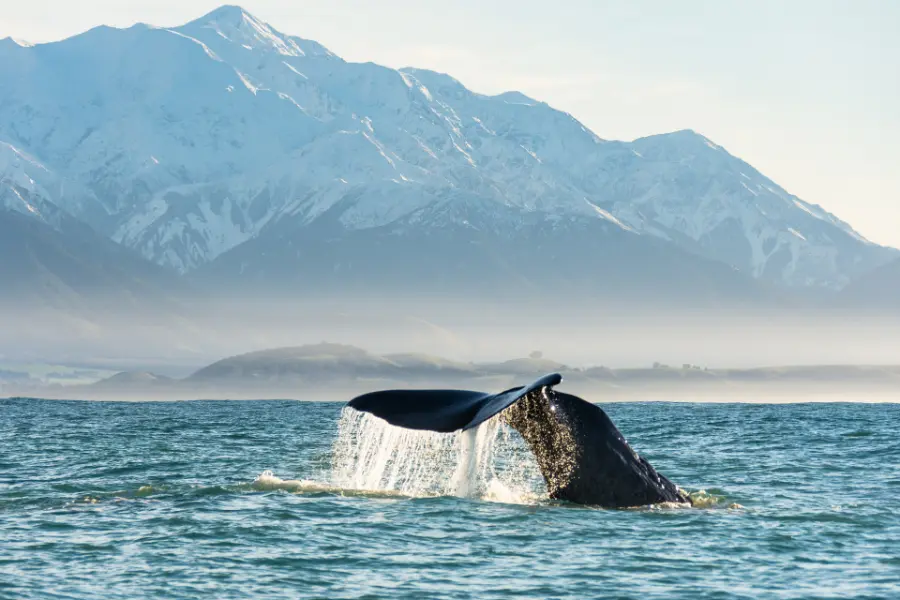
Visitors come to Kaikōura for one sight above all: the tail of a sperm whale lifting from the sea before it dives, with snow on the mountains behind. A deep ocean canyon reaches almost to the shore here, and its food brings whales, dusky dolphins, fur seals and albatrosses closer to land than almost anywhere else in the world. The town is small and easy, strung along a beachfront below the Seaward Kaikōura Range. One night gives you a boat trip and the peninsula walk. A second protects the trip if the sea turns rough.
How this page was madeWe last travelled in the South Island before 2011, too long ago to describe Kaikōura from memory, and the town has been reshaped by an earthquake since. So this page is researched from Destination Kaikōura, the Department of Conservation, GeoNet, Heritage New Zealand, the operators’ own pages and the sources named at the end, checked on 11 October 2026. When we go back, we will say so here.
Last updated 11 October 2026
A little background
The name tells you what has always drawn people here. Kai is food and kōura is crayfish. Ngāi Tahu tradition holds that the ancestor Tama ki te Rangi stopped on this coast to cook crayfish. The full name, Te Ahi Kaikōura a Tama ki te Rangi, means the fire where he ate them. Ngāti Kurī, a hapū of Ngāi Tahu, have held the peninsula for around 350 years, and their marae, Takahanga, is in the town.
Europeans came for the whales. In the early 1840s Robert Fyffe set up a shore-whaling station on the peninsula, and for a few years boats rowed out from the beach to hunt the whales that passed close in. The trade soon collapsed with the whales. Farming, fishing and a long isolation followed: the railway only arrived in 1945.
The modern town was remade by two changes. In 1987, with jobs scarce, Ngāti Kurī families mortgaged their homes to start Whale Watch Kaikōura, and the whales that had once been hunted here became the reason the world came to see them. Then, just after midnight on 14 November 2016, a magnitude 7.8 earthquake ruptured more than twenty faults. Parts of the coast rose by up to six metres. Two people died. Landslides cut the road and railway in both directions, and State Highway 1 to the north did not fully reopen until December 2017. Raised, pale rock platforms that the earthquake lifted out of the sea still line parts of the shore.
How the place fits together
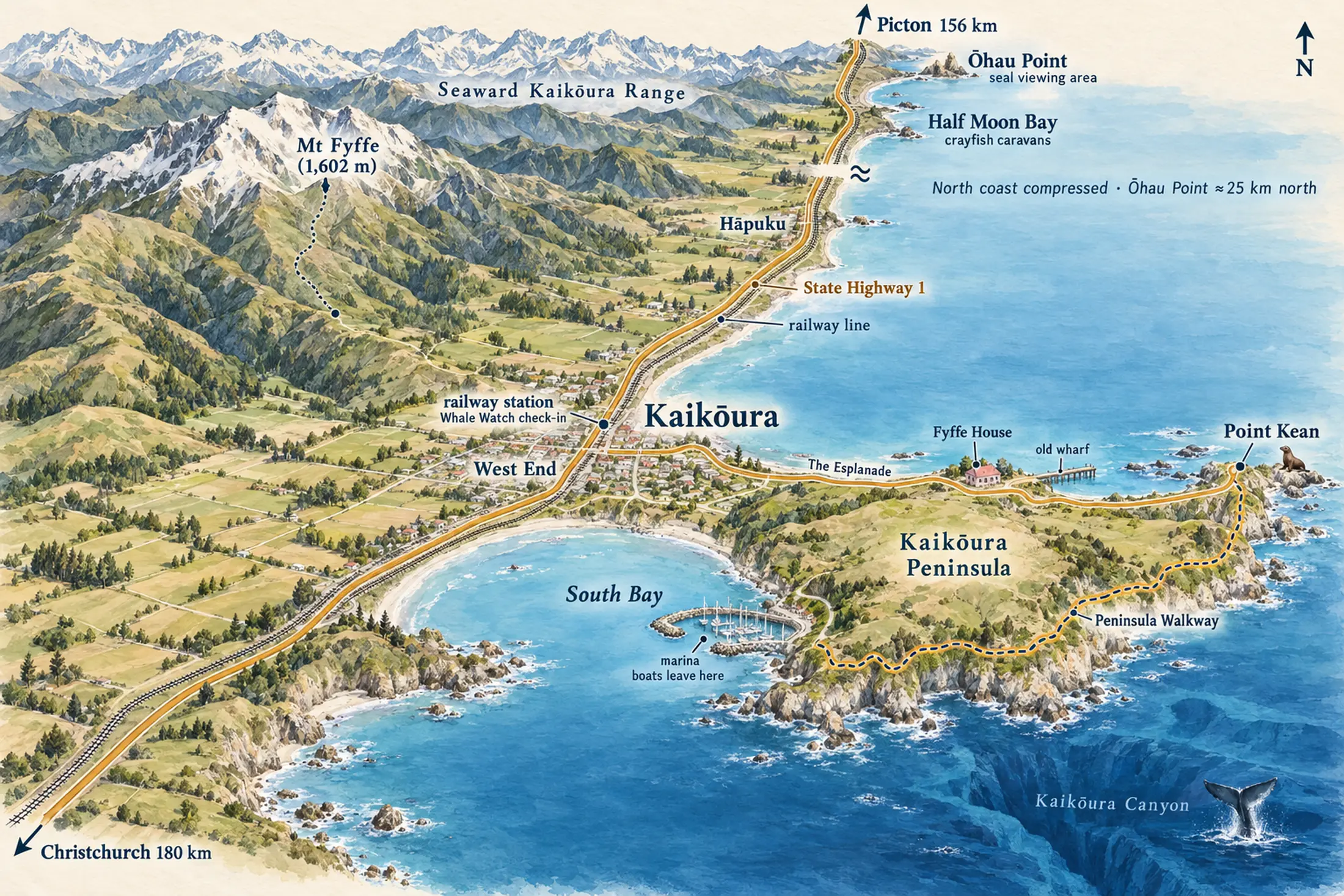
Kaikōura is a small town on a narrow coastal plain, with the mountains behind and the peninsula pushing out into the sea. State Highway 1 runs through it, north to Picton and south to Christchurch. The town itself faces east along the Esplanade. The peninsula is a short walk or drive south-east, and South Bay, where the boats leave, lies on its far side. Everything a one-night visitor needs is within a few kilometres.
Town and the Esplanade
the baseThe shops, cafés and museum of the West End, the railway station where whale-watch trips check in, and the Esplanade, a long line of motels and holiday homes facing the sea. On a clear morning the Seaward Kaikōura Range stands straight up behind the town.
South Bay and the Peninsula
the coast walkThe peninsula road runs past Fyffe House and the old wharf to the car park at Point Kean, where seals lie on the rocks. The walkway crosses the clifftops above, and on the far side South Bay holds the marina the whale and dolphin boats leave from.
The north coast and the foothills
by carNorth of town, State Highway 1 hugs the shore past the crayfish caravans of Half Moon Bay to the seals at Ōhau Point. Inland, a gravel road climbs to the start of the Mt Fyffe track, and the lodges at Hāpuku sit in farmland between the sea and the range.
Places you don’t want to miss
This is a place for meeting wild animals in their own element, and for walking above the sea that feeds them. We plan full guides to whale watching and the Peninsula Walkway; until they are written, none of the cards below carries a link.
Whale watching
The reason most people come. A deep ocean canyon runs close to shore, and the sperm whales that feed in it are here all year. Whale Watch Kaikōura, founded by Ngāti Kurī in 1987, takes boats out several times a day and claims sightings on over nine trips in ten.
Dusky dolphins and albatross
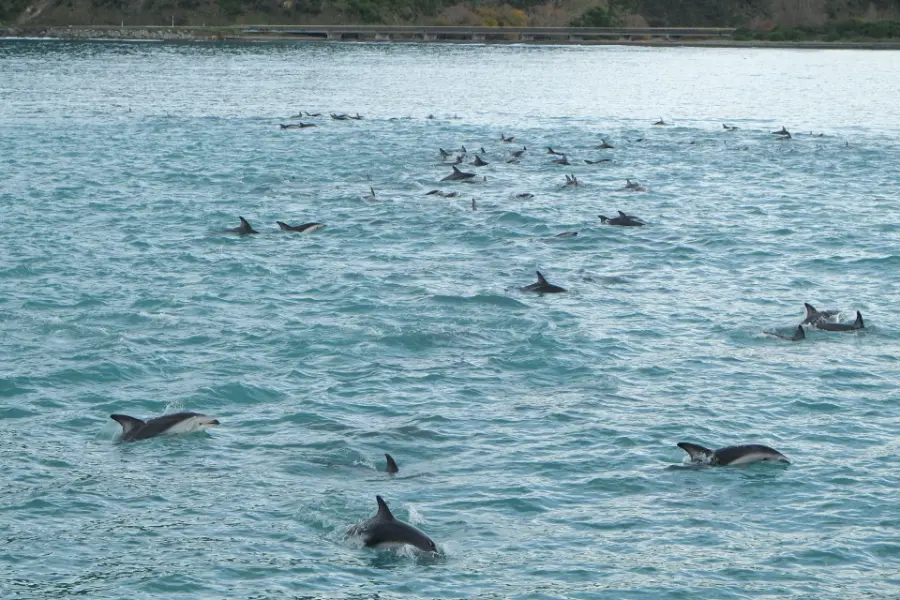
Dusky dolphins travel in big, acrobatic pods off Kaikōura, and you can watch them from a boat or swim among them in a wetsuit. The same operator runs small-boat trips to see albatrosses and petrels at close range, all year round.
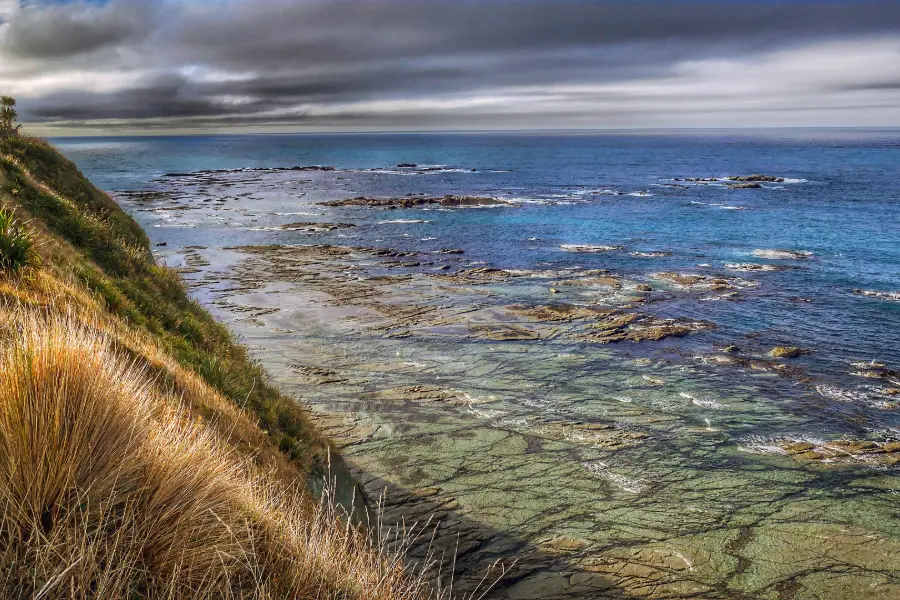
The Peninsula Walkway and Point Kean seals
A clifftop walk around the headland, with the mountains on one side and the Pacific on the other. Fur seals sleep on the rocks at Point Kean, a few steps from the car park. Walk the whole loop in about three hours, or any part of it.
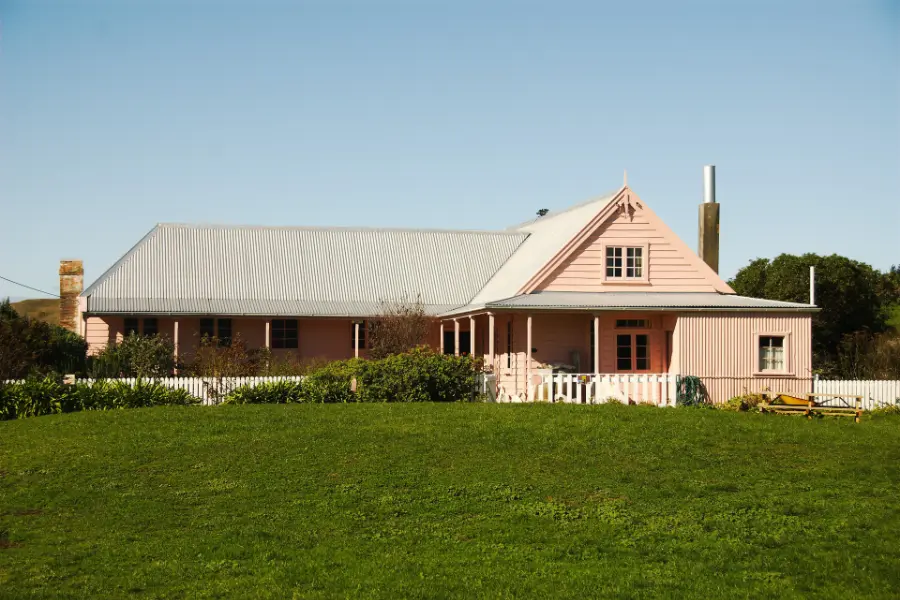
Fyffe House
Step inside the cottage that whaling built: its floor stands on piles cut from whale vertebrae. Begun in the 1840s, it is the oldest surviving building in Kaikōura, and Heritage New Zealand tells the story of the shore-whaling station around it. Check its opening days before you go.
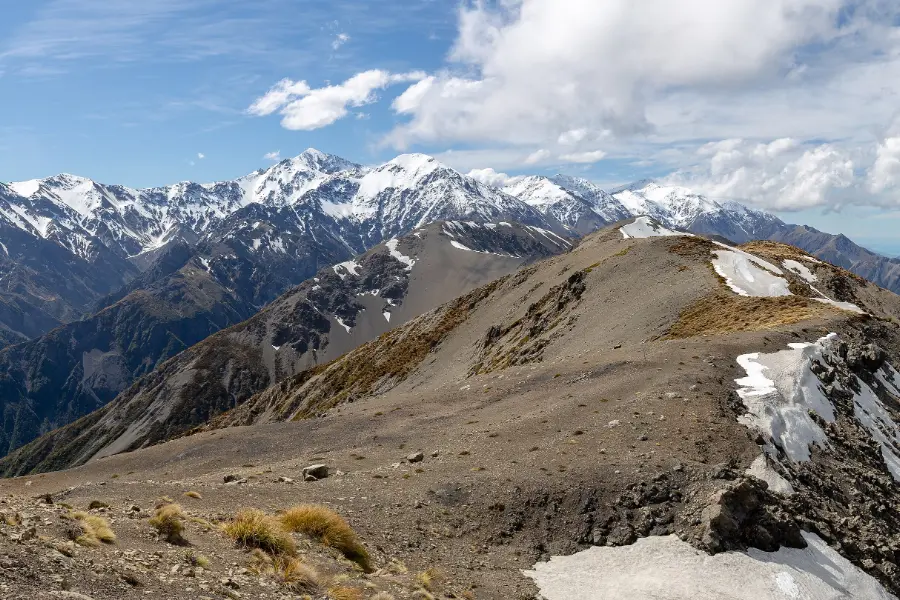
Mt Fyffe
Climb for the view of the whole coast, from the sea to the snow. A steady track leads from a car park inland to the hut, about five hours there and back; the 1,602-metre summit makes a long full day. From the top the peninsula lies below, with the coast running away north and south.
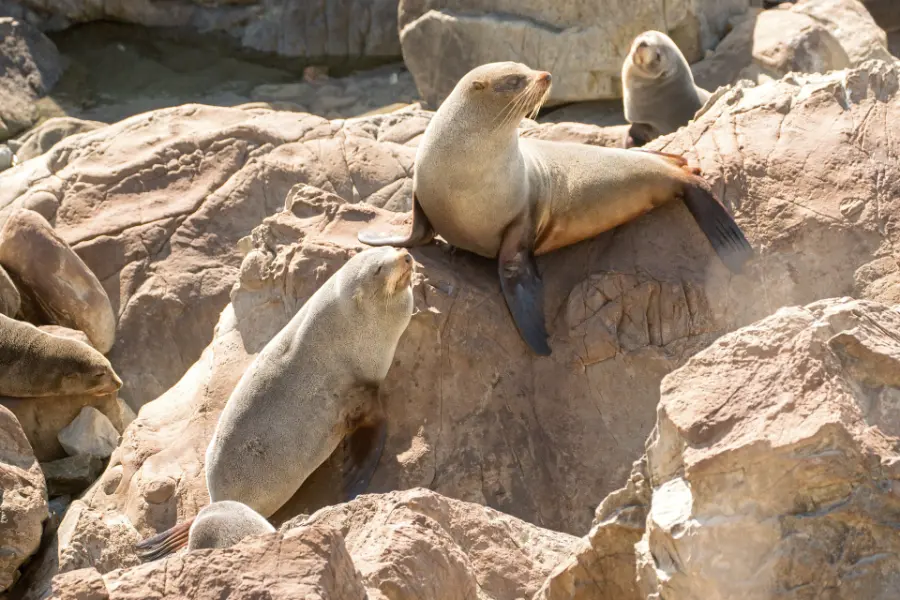
The crayfish coast and Ōhau Point
Drive north for crayfish cooked at a roadside caravan, a tradition on this coast since the 1970s. A little further on, the viewing area at Ōhau Point looks down on a fur seal colony on the rocks below, beside the road.
Between its long dives a sperm whale lies at the surface and breathes, and each breath goes up as a bushy blow, angled forward. When the skipper cuts the engine, listen for it before you look for it. Notice the boat lifting under you on the swell, the wind off the open ocean on your face, the smell of salt and diesel. Then watch the whale arch its back and raise its tail, and stay with the quiet after it has gone. It may not surface again for most of an hour, feeding far below you in the dark of the canyon.
Getting there and around
By car, Kaikōura sits on State Highway 1, the coast road between Picton and Christchurch. On our New Zealand in two weeks route it is the first night after the Cook Strait ferry. North of the town the road and railway squeeze between the mountains and the sea, through the stretch the earthquake closed: a dramatic road, rebuilt since, with a seal viewing area at Ōhau Point.
| To or from | Distance | What to expect |
|---|---|---|
| Picton (ferry) | About 156 km | About 2 hours on State Highway 1, along the coast |
| Christchurch | About 180 km | 2½ to 2¾ hours on State Highway 1 |
| Coastal Pacific train | Picton to Christchurch | Stops at Kaikōura station; no service from late April to the end of August; check running days for the season |
| Coach | Picton to Christchurch | Long-distance coaches stop in town; check the operator’s timetable |
Planning estimates in normal conditions, checked on 11 October 2026. Slips and roadworks still close State Highway 1 on this coast at times, so check the NZ Transport Agency’s journey planner before you set off.
By train, the Coastal Pacific is the scenic way to come: the line runs right along the shore, and the station is in the West End, where Whale Watch checks you in. Great Journeys New Zealand says it does not run from late April to the end of August. We could not find the dates and running days for the 2026/27 season, so check them before you plan around it.
In town, you can walk everywhere that matters: the Esplanade, the West End and the peninsula are all within about three kilometres. Whale Watch takes its passengers by bus from the station to the boats at South Bay. You will want a car only for the north coast and the Mt Fyffe track. See getting around New Zealand for car hire and the ferries.
When to go and practical notes
The whales are here all year, so there is no wrong season. Sperm whales live off Kaikōura year-round. Humpbacks pass on their winter migration, and orca appear from time to time, but no operator can promise either. Summer, from about November to April, brings the warmest weather, the longest days, the most dolphin trips and the most visitors, so book boats ahead. Winter is quieter and often clear and still, with fresh snow on the range, and some find it the most beautiful time of all.
Sea conditions matter more than the calendar. Trips are cancelled when the swell is too big, and the open ocean can be lively even when it goes ahead. Whale Watch rates its trips for motion sickness and sells remedies; take yours before you board, not after. For walking, the peninsula is exposed to cold southerly winds in any month, so carry a layer.
A whale trip is the highlight of many people’s New Zealand, so give it the best chance. Book an early sailing on your first day, and you have a later one or the next morning if the sea says no. Whale Watch refunds 80% of the fare if no whale is seen. On land, keep at least 20 metres from the seals, as DOC asks: they look sleepy, but they can move fast and bite, and they lie in the Point Kean car park itself.
For the culture of the place, see our guides to Māori New Zealand and Māori etiquette. If you are travelling with children, the walkway’s clifftops are unfenced, and the short walk from the car park to the Point Kean seals is the easy option. Dolphin Encounter’s child swim prices start at age 8, so check its age rules before you book.
Where to stay and eat
Stay in town, on or near the Esplanade, if you have one night: you can walk to dinner, to the whale-watch check-in and to the peninsula. Stay out at Hāpuku, north of town, for a lodge in farmland and a quieter night, if you have a car. Kaikōura is too small for separate stay and eat pages on our site, so our choices are here, researched on 11 October 2026. Please confirm availability and hours yourself before you rely on them.
Kaikōura TOP 10 Holiday Park, 34 Beach Road, is a short walk from the town centre and the coach stop. It has cabins, studios and motel units on one site, which suits families and anyone on a budget. Its listing is current, but we found no dated notice for this season, so book directly.
Bella Vista Motel, 45–47 Churchill Street, is a modern motel of studio and one-bedroom units with parking at the door, about five minutes’ walk from the main street. Its listing, updated in July 2026, says it is open all year.
Hapuku Lodge & Tree Houses, 8 Station Road, Hāpuku, is the place to splurge. Its rooms sit high in the canopy of native trees, with the mountains on one side and the sea on the other, and its own site says dinner and breakfast are included. It is out of town, so you will need a car.
Where to eat
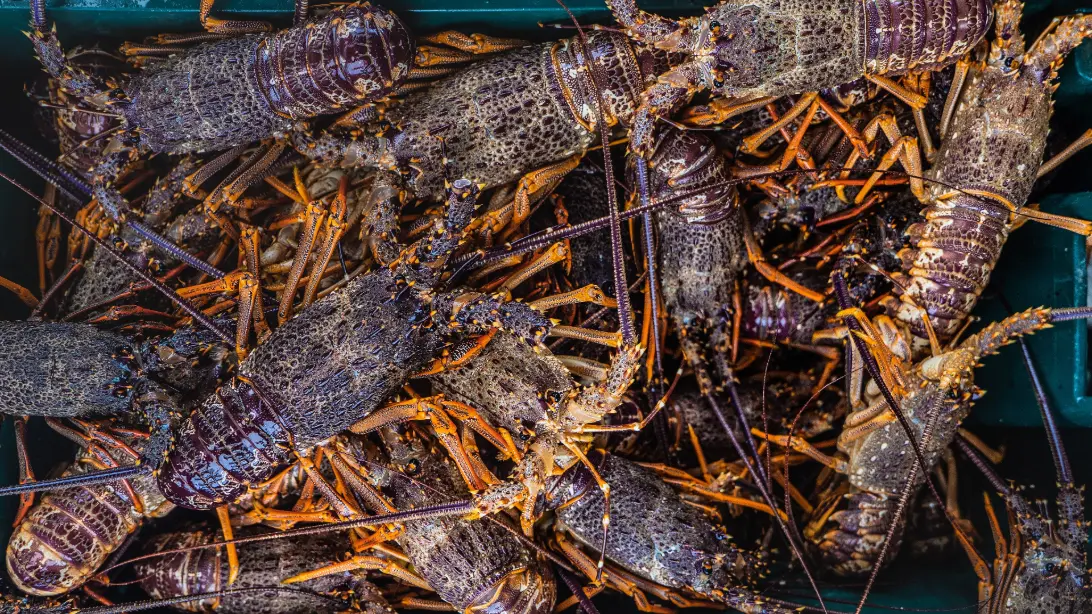
You come to Kaikōura to eat crayfish, and you should, at least once. It is not cheap, because it is one of New Zealand’s most prized catches, but you will rarely eat it fresher. Seafood leads most menus in town.
Nin’s Bin, the blue-and-white caravan at Half Moon Bay on State Highway 1, about 20 minutes north, has sold crayfish cooked across the road since 1977. It is a legend of the coast, but it opens only when there is crayfish to sell, and it can be shut when the weather keeps the boats in. Its own site sends you to its Google listing for hours.
The Pier Hotel, 1 Avoca Street, by the old wharf on the peninsula, is a historic hotel with a restaurant that leads on local seafood, a bar and a beer garden facing the sea. It also lets rooms. Its listing gives no hours, so check before you go.
Café Encounter, 96 Esplanade, at the dolphin and albatross tours’ base on the beachfront, serves seafood chowder, light meals and good coffee. The operator’s site lists it open from 7.30am to 3pm daily; confirm before you go. It is busy around tour times and closed in the evening.
A final word on Kaikōura
Kaikōura is often a stop on the way to somewhere else, and it is worth the stop. Come for the whales, but leave time for the seals at Point Kean, the clifftop walk and a plate of crayfish by the sea. Book the boat early, keep a spare morning if you can, and look up: the mountains here stand closer to the ocean than almost anywhere you will go.
Andrew + Margaret
- Visiting New Zealand Overview
- New Zealand in two weeks Journeys
- The South Island itinerary Journeys
- Christchurch Overview
- Day trips from Christchurch Practical
- Getting around New Zealand Practical
- Best time to visit New Zealand Practical
- Destination Kaikōura Official
- Whale Watch Kaikōura Booking
- Dolphin Encounter Booking
- Department of Conservation — Kaikōura Peninsula Walkway Safety
- NZ Transport Agency — journey planner Safety
- GeoNet — the 2016 Kaikōura earthquake Official
- William Menzies Gibb, April Morning, Kaikoura (1892), Christchurch Art Gallery Reading
Is one night in Kaikōura enough?
For a whale trip and the peninsula walk, yes, if the sea is kind. Book the earliest sailing you can, so a cancelled trip can move to later that day. If the whales are the main reason for your journey, a second night is the safer plan.
Can I see whales without a boat?
Sometimes, from the clifftops of the peninsula, when a whale blows close in; but it is luck, not a plan. Whale-watching flights also run from Kaikōura, and suit anyone worried about seasickness.
Can I do Kaikōura as a day trip from Christchurch?
It is possible but rushed: about five and a half hours of driving for a three-hour boat trip that the sea may cancel. Our day trips from Christchurch guide recommends it only if you can stay the night.