Ballarat
The heart of Victoria’s gold rush, where its miners rebelled: a working 1850s town on the old diggings, the original Eureka Flag, and the grand city the gold paid for
People come to Ballarat to walk into the gold rush. Gold was found here in 1851, and within three years its miners had taken up arms against the colony that taxed them. You can stand on the diggings in a rebuilt 1850s town, and look at the flag the rebels swore under. Then walk the city of bluestone banks, hotels and gardens the gold built. It is about ninety minutes from Melbourne by train or car. One night covers the essentials; two let the city slow down for you.
How this page was madeWe have been to Ballarat and walked round the mining exhibitions at Sovereign Hill, two or three years ago. We did not stay the night, and we have not seen the lake, Lydiard Street or the Eureka Centre. So the rest of this page is researched from Visit Ballarat, the museums’ and operators’ own pages, V/Line, the Bureau of Meteorology and the sources named at the end, checked on 7 November 2026. When we go back, we will say so here.
Last updated 7 November 2026
A little background
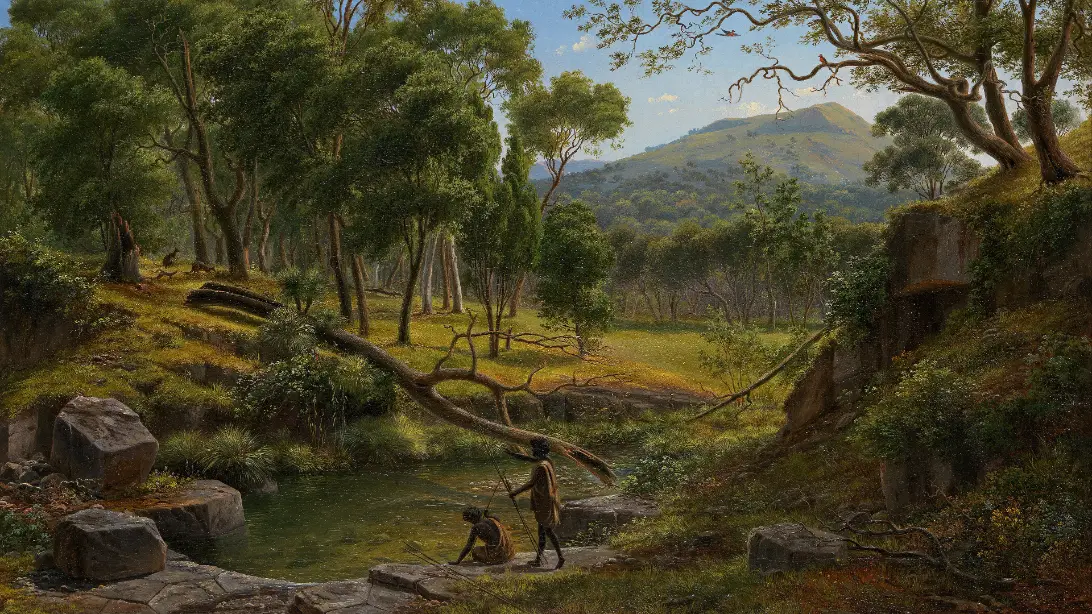
Ballarat stands on Wadawurrung country, and the Wadawurrung people lived along these creeks and hills for many thousands of years before the diggers came. Their name for the place survives in an older spelling, Ballaarat. Within months of the 1851 gold discoveries, tens of thousands of people had poured onto their land from every corner of the world.
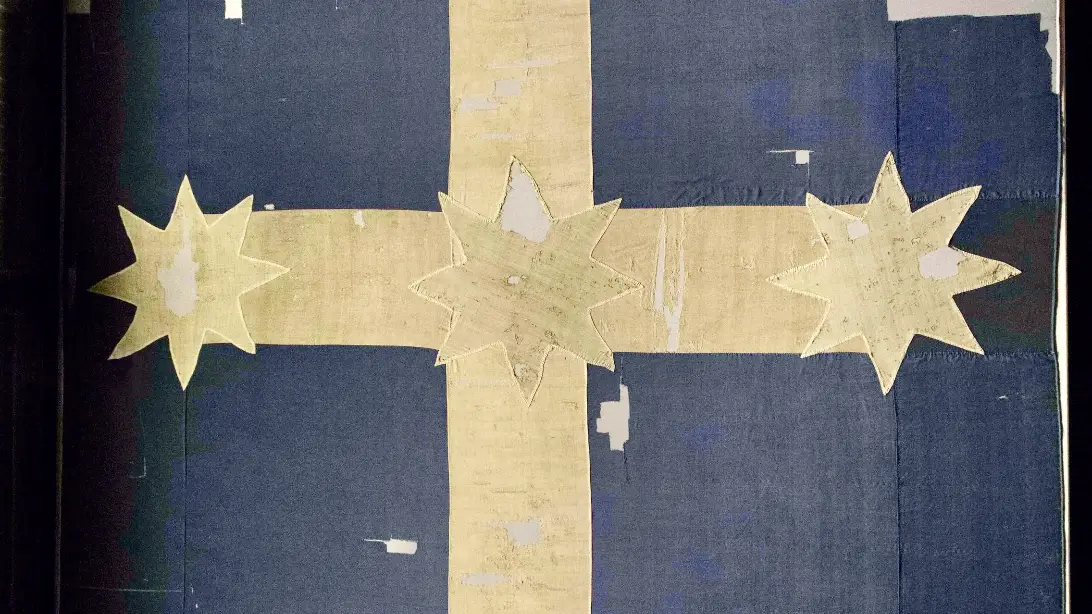
The diggers paid for a licence whether they found gold or not, and the police hunted down those without one. Anger grew into revolt. On Bakery Hill the miners raised a blue flag with a white cross and five stars and swore to defend their rights. Early on 3 December 1854, soldiers and police stormed their stockade at Eureka. About 27 people died, though counts vary. Public opinion swung behind the miners. Within a year the hated licence had gone, replaced by a cheap miner’s right that carried the vote. Many Australians still see Eureka as a birthplace of their democracy.
The gold kept coming for decades, and the city spent it on stone. The banks, hotels, statues and gardens of the boom are still here, which is why Ballarat looks grander than a regional city has any need to. Since 2019 it has been a UNESCO Creative City for craft and folk art. Henry Handel Richardson set the opening of The Fortunes of Richard Mahony, often called the great Australian novel, on these diggings. Her doctor-turned-storekeeper lives through Eureka and watches the shanty town grow into the city you will walk through.
How the place fits together
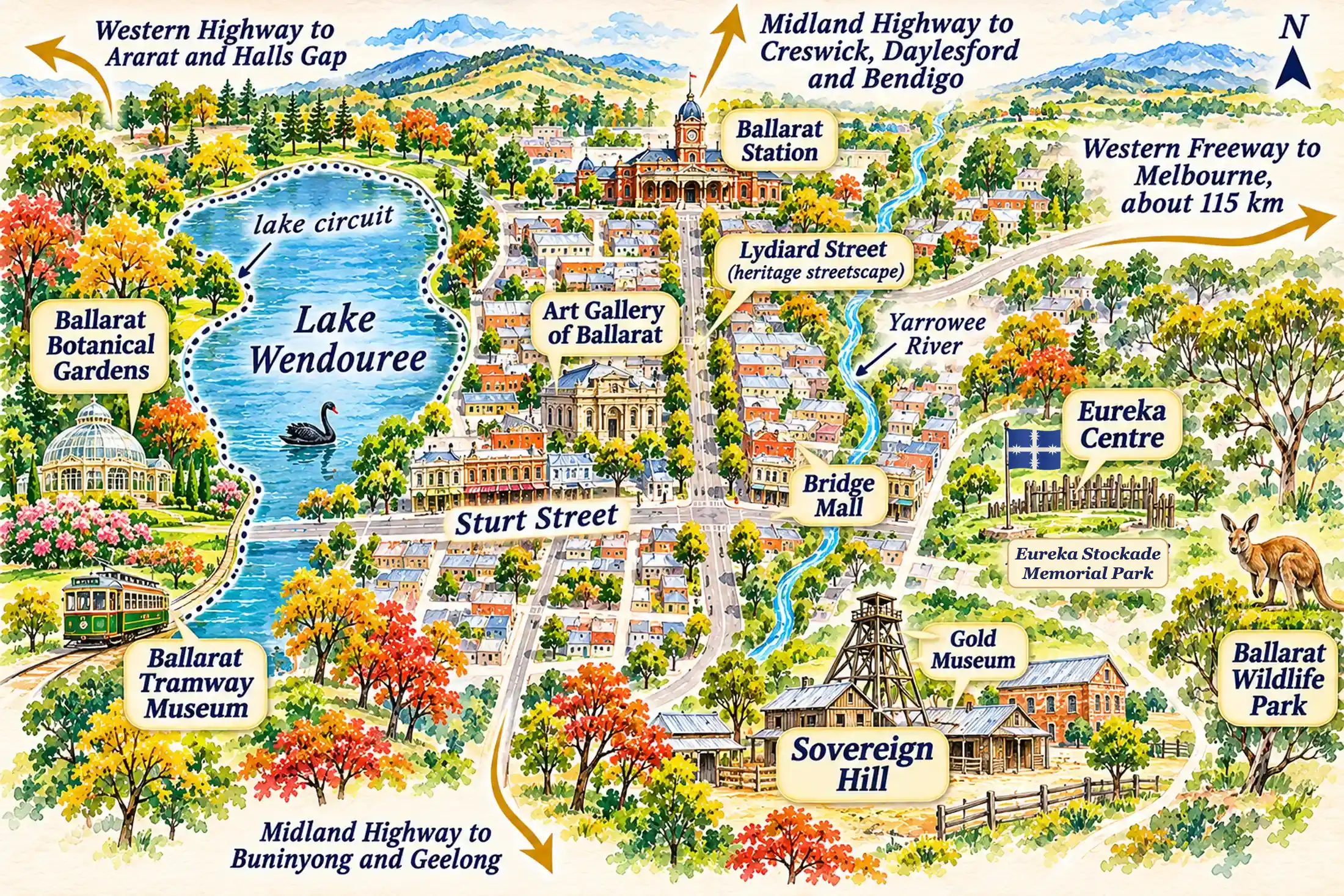
Ballarat’s visitor city fits inside a few kilometres, in three parts. The centre lies on a low hill around the crossing of Lydiard and Sturt Streets, with the railway station a few minutes north. Sturt Street runs 2 km west to Lake Wendouree and the gardens. The goldfields sights lie about 2 km to the south-east, across the little Yarrowee River, where the diggings were. Everything a one-night visitor needs is in one of these three areas.
Central Ballarat and Lydiard Street
the baseThe city gold built is at its grandest here. Lydiard Street crosses Sturt Street, a boulevard wide enough for a garden down its middle: the station and the gallery lie to the north, the theatre and the old hotels to the south. Most of the beds and tables in Ballarat are within a few blocks.
Lake Wendouree and the Botanical Gardens
the green sideWest of the centre, Sturt Street ends at Lake Wendouree. A 6 km path circles the water, past boat sheds and black swans, and the Botanical Gardens line the far shore. At their south end the Tramway Museum runs old Ballarat trams along the lakeside.
Golden Point and Eureka
the gold storyThis is where the gold was. Sovereign Hill rebuilds the 1850s town on the hillside where the first diggers worked, and the Eureka Centre stands in the memorial park to the east. The Wildlife Park is a short drive further on.
Places you don’t want to miss
Ballarat’s best sights tell the gold story from the diggings to the boom, and its gentler ones sit by the lake. We have not yet written full guides to any of them, so none of the cards below carries a link.
Sovereign Hill
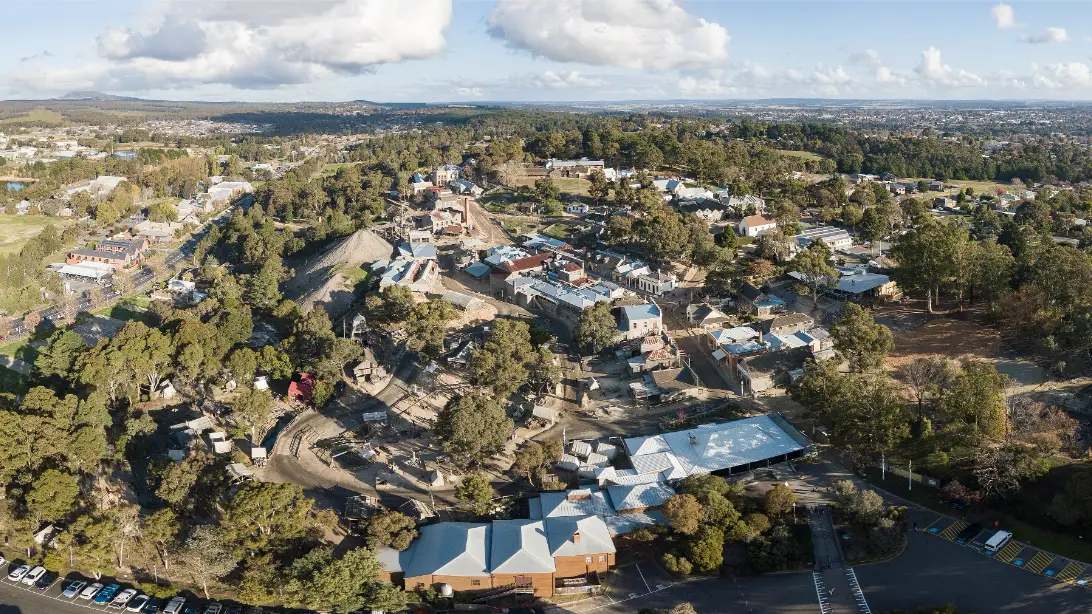
Step into the 1850s. On the hillside where the first diggers worked, a whole gold-rush town has been rebuilt: shops, a school, a theatre and a working mine. Staff in period dress run it. We walked round its mining exhibitions and thought them well done. Pan for gold in the creek, then go underground.
The Eureka Centre and the flag
Stand in front of the flag the miners swore under in 1854. It is faded, torn and far larger than you expect, and it hangs in the Eureka Centre, in the memorial park on the site associated with the stockade. The museum tells the rebellion and the people behind it in a short, clear visit.
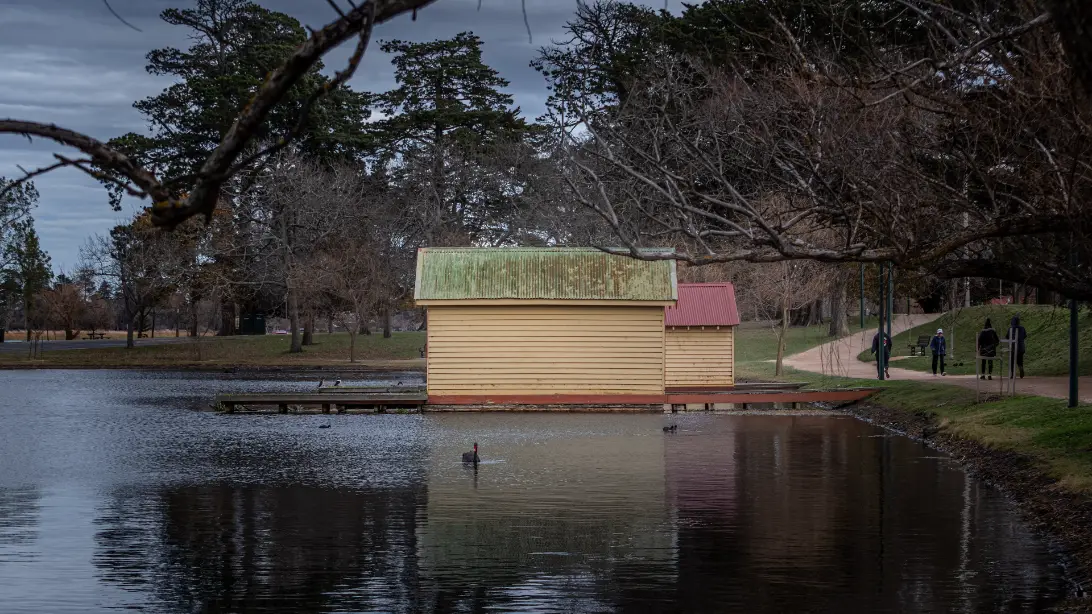
Lake Wendouree
Walk the 6 km path round the lake, about an hour on the flat, among the rowers, the black swans and the joggers. The rowing at the 1956 Melbourne Olympics was held on this water, and the rowing clubs’ boat sheds still line the shore.
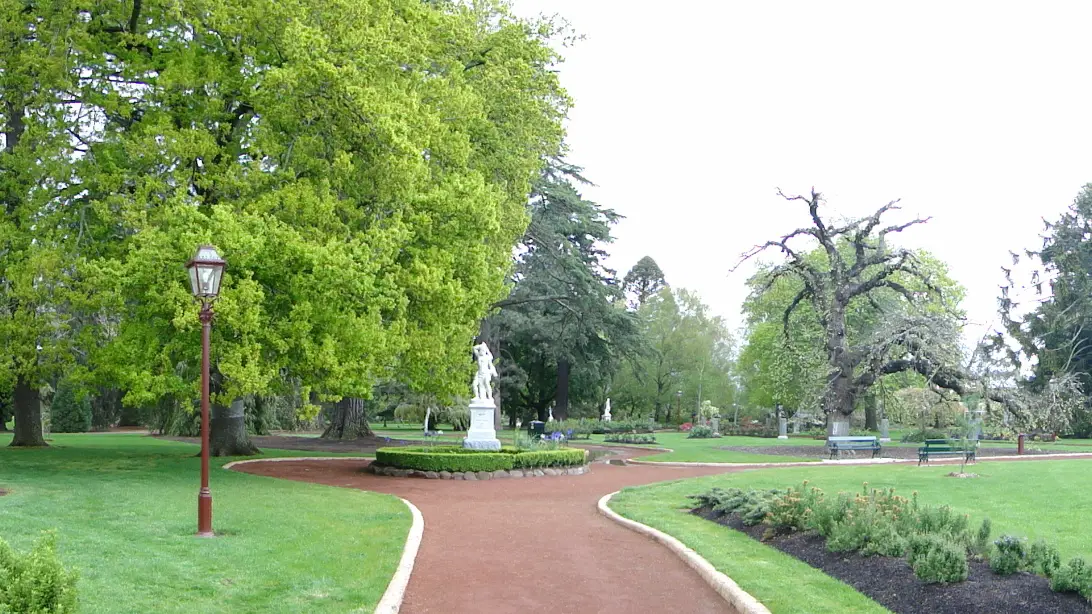
The Botanical Gardens
Linger in one of Victoria’s great Victorian gardens, on the lake’s western shore. Marble statues stand under old conifers, the conservatory shows the begonias the city is known for, and Prime Ministers Avenue lines up bronze busts of Australia’s prime ministers.
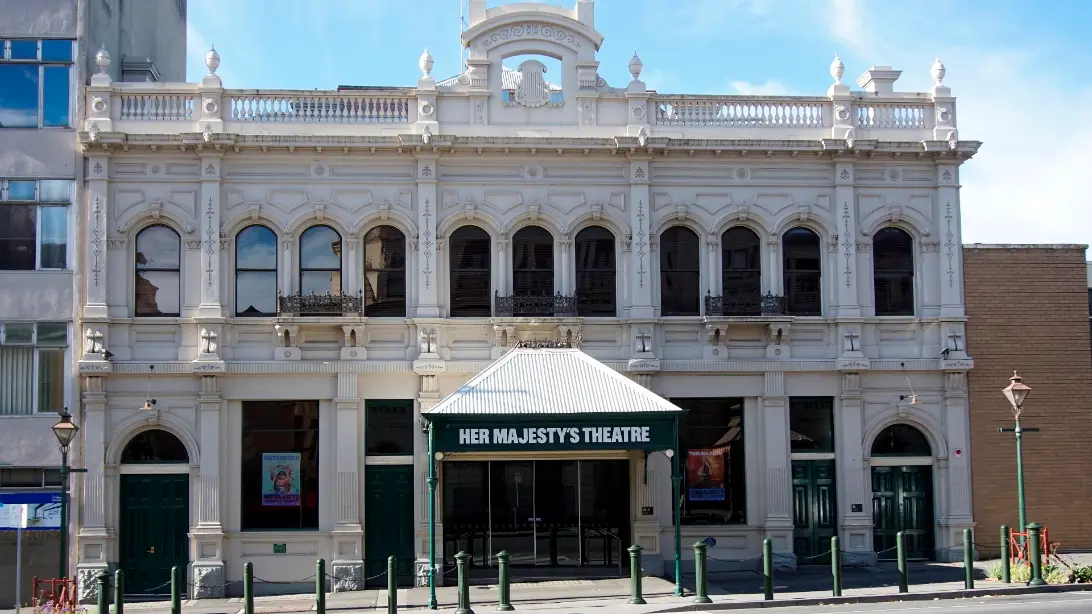
Lydiard Street
Walk the street gold paid for. North of Sturt Street stand the station and the Art Gallery of Ballarat, Australia’s oldest regional gallery; south of it, Her Majesty’s Theatre and Craig’s Royal Hotel, where a prince slept in 1867. The gallery’s main building is closed for upgrades, with no reopening date given.
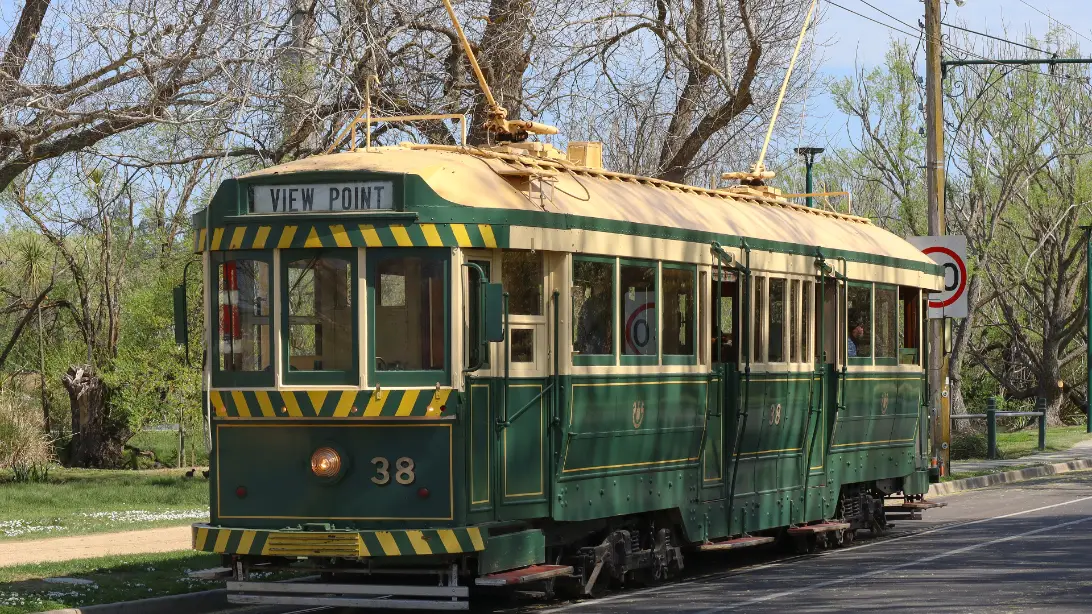
The Tramway Museum
Ride a tram Ballarat ran until 1971, along the lake shore. Volunteers keep the city’s old trams running from a depot at the south end of the gardens. Trams run at weekends and on public holidays from 11am to 4pm, and on Tuesdays from 10am to 3pm.
At Sovereign Hill, stop by the creek where visitors pan for gold. Notice the cold of the water on your hands, the scrape of gravel in the pan, the slow swirl that leaves the heavy grains behind. Look up at the hillside of tents and timber, and the smoke from a chimney. On this ground in 1852 thousands of people were doing exactly this, for months on end, most of them for nothing. Then the pan shows a fleck of colour, and for a moment you understand why they stayed.
Getting there and around
By train, Ballarat is one of the easiest regional cities in Australia to reach without a car. V/Line trains leave Melbourne’s Southern Cross station through the day and take about 1 hour 15 minutes to 1 hour 30 minutes. They arrive at the old station on Lydiard Street, a short walk from most hotels.
| To or from | Distance | What to expect |
|---|---|---|
| Melbourne by train | Southern Cross | About 1¼ to 1½ hours on V/Line, frequent through the day |
| Melbourne by car | About 115 km | About 1½ hours on the Western Freeway |
| Melbourne Airport | Terminal 4 | Airport Shuttlebus to Ballarat station, seven days; book ahead |
| Bendigo | About 120 km | About 1¾ hours north via the Midland Highway |
| Halls Gap | About 140 km | About 2 hours west via the Western Highway and Stawell |
Planning estimates without stops, from V/Line and OpenStreetMap, checked on 7 November 2026. On our Great Ocean Road and Grampians loop Ballarat is the last night before Melbourne; on the Goldfields and Daylesford loop it is the first.
In town, walk the centre and take Sturt Street out to the lake. For the goldfields sights, Transport Victoria’s route 15 bus runs from the station to the Eureka Centre; for Sovereign Hill, check the bus routes on Transport Victoria’s site, or take a taxi. See getting around Australia for car hire and the regional trains.
When to go and practical notes
Ballarat is a city for every season, and each one has its event. Autumn, from March to May, turns the avenues and gardens red and gold, and many visitors think it the best time. The Begonia Festival fills the gardens over the Labour Day long weekend in March. Winter is crisp and often grey, and Sovereign Hill answers it with Winter Wonderlights, a light festival that in 2026 ran from 26 June to 19 July. Summer days are warm and long, if often a little cooler than Melbourne’s.
Sovereign Hill opens from 10am to 5pm, Tuesday to Sunday, and every day in the Victorian school holidays. Adult day tickets start at $68, and they are not valid during Winter Wonderlights, which is ticketed separately. Its evening sound-and-light show, AURA, runs five nights a week, nightly in the school holidays, and costs $45 for an adult. The Gold Museum across the road is closed. The Eureka Centre opens from 10am to 5pm daily, and an adult ticket is $7.
Ballarat’s winters are part of its character, with frosty mornings and fires lit in the old pubs. The city sits about 435 metres above sea level, and in July the average daytime high at the airport is about 10°C, with nights near 3°C. It is often colder than Melbourne on the same day. Bring a warm layer, even in summer, for an evening at the AURA show.
For the history of the people whose country this is, see our guide to understanding Aboriginal and Torres Strait Islander Australia. If you are travelling with children, Sovereign Hill is the obvious day: gold panning, the school and the mine all suit them, and so does Ballarat Wildlife Park, a short drive east of Eureka; check its hours before you go.
Where to stay and eat
Stay in the centre, around Lydiard and Sturt Streets, if you have one night: you can walk from the train to your room and out to dinner. Stay at Golden Point, by Sovereign Hill, if the evening show is the point of the visit. Ballarat does not yet have separate stay and eat pages on our site, so our choices are here, researched on 7 November 2026. Please confirm availability and hours yourself before you rely on them.
Craig’s Royal Hotel, 10 Lydiard Street South, is the gold-rush grand hotel, built in 1862 and still a pub, with rooms upstairs. Prince Alfred slept here in 1867 and Nellie Melba sang from its balcony in 1908. Expect mid-range prices and a busy bar on weekend nights.
Hotel Vera, 710 Sturt Street, is a small boutique hotel in a nineteenth-century building on Sturt Street, west of the centre. Visit Ballarat lists seven suites, so book well ahead; its own site offers pet-friendly rooms and the Babae restaurant downstairs. It is the upper end of the city’s prices.
Sovereign Hill Hotel, 39 Magpie Street, Golden Point, sits beside the outdoor museum, and its guests can walk straight in during opening hours. Sovereign Hill’s site says upgrade works have been under way since June 2026, and museum entry is not included in the room rate, so check both when you book.
Where to eat
Ballarat eats better than its size suggests. Two of our three choices held a hat in The Age Good Food Guide 2027, and all three are in or near the centre.
Babae, in Hotel Vera at 710 Sturt Street, is the city’s fine-dining table, with one hat in the 2027 guide. Neither its listing nor the hotel’s site gives dinner days, so check before you plan your night around it.
Underbar, 3 Doveton Street North, serves a set menu built from local farm produce to about twenty guests, and has held a hat for nine years running. Visit Ballarat lists it for Friday and Saturday nights only; we found no current hours of its own, so confirm, and book well ahead.
Hop Temple, 24–28 Armstrong Street North, is the relaxed choice: a beer hall in old stables with more than 220 craft beers and ciders. It opens Wednesday to Sunday, from 3pm on weekdays and from noon at weekends; check its kitchen hours before you go.
Nearby
Three gold towns lie within half an hour. Buninyong, 15 minutes south, is where gold was found in August 1851, and Mount Buninyong above it gives the widest view of the district. Creswick, 20 minutes north, has forest walks among the old diggings. Clunes, half an hour north, is an almost intact gold town of verandahs and churches, and a Booktown whose streets fill with second-hand booksellers for its annual festival. Daylesford, for the spa towns, is about 40 minutes north-east and a night of its own on our Goldfields and Daylesford loop.
A final word on Ballarat
Many people come to Ballarat for Sovereign Hill and leave the same afternoon, and miss half of it. Stay the night. Give the morning to the diggings and the afternoon to the flag, then walk Lydiard Street at dusk and see what the gold became. It is one of the rare places in Australia where the story of the country is told on the ground it happened on.
Andrew + Margaret
- Visiting Australia Overview
- Melbourne Overview
- Day trips from Melbourne Practical
- Great Ocean Road and Grampians loop Journeys
- Goldfields and Daylesford loop Journeys
- Getting around Australia Practical
- Best time to visit Australia Practical
- Visit Ballarat Official
- Sovereign Hill Booking
- Eureka Centre Ballarat Official
- V/Line — trains to Ballarat Booking
- Art Gallery of Ballarat Official
- Henry Handel Richardson, The Fortunes of Richard Mahony (1917–29) Reading
Can I do Ballarat as a day trip from Melbourne?
Yes, and many people do: the train makes it easy. A day gives you Sovereign Hill and perhaps the Eureka Centre. Stay the night if you want the evening show, the lake and Lydiard Street as well. Our day trips from Melbourne guide sets out the options.
How long do I need at Sovereign Hill?
Most of a day. The street, the shops, the mine tour and the gold panning add up, and it is worth arriving at opening. Children will happily fill all of it.